
Weekly Exclusives
€90 Billion in EU Support: The Conditions Ukraine Must Fulfill to Unlock the Entire Package. Will the Ukraine Become a Lithium El Dorado? P1-SUN Shaheed interceptor: what is it capable of now?
Photos and videos of the week
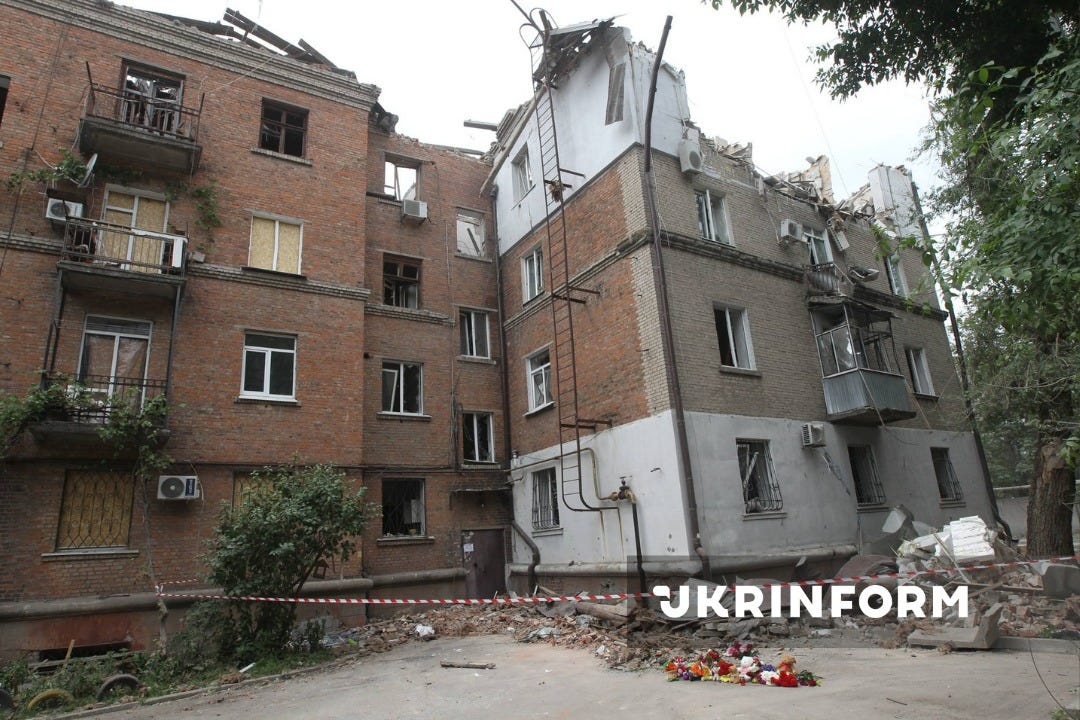
On June 2, Russia launched a missile strike on the Dnipro River, killing 16 people, including 2 children.
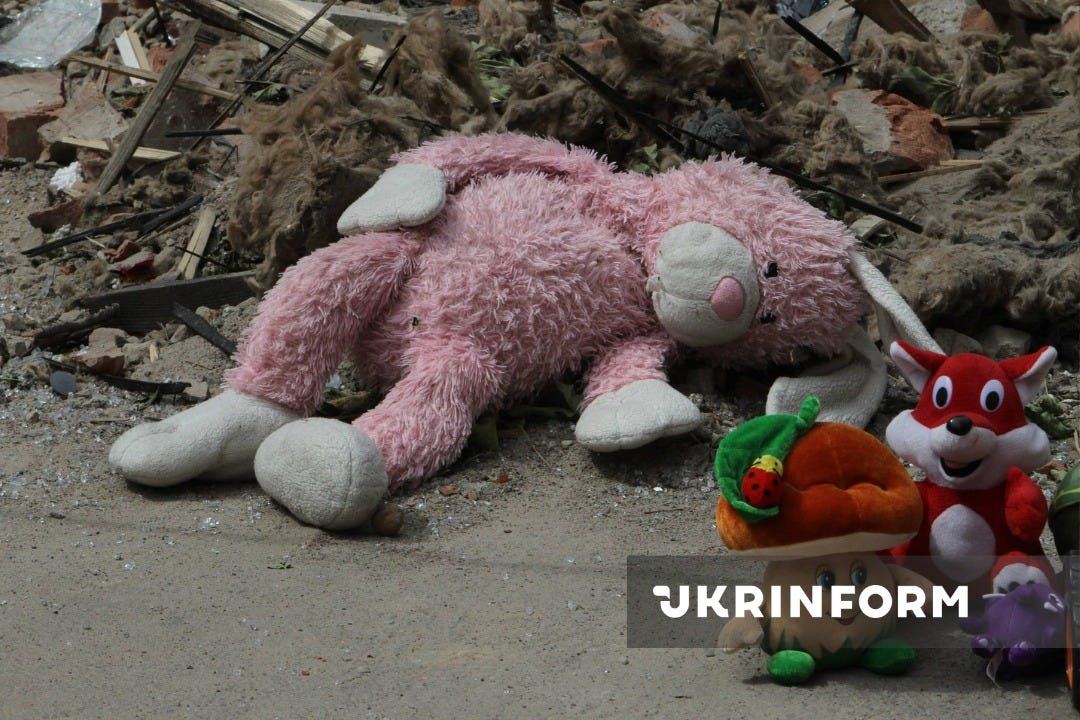
Residents brought flowers and toys to the scene of the crash near the four-story building.
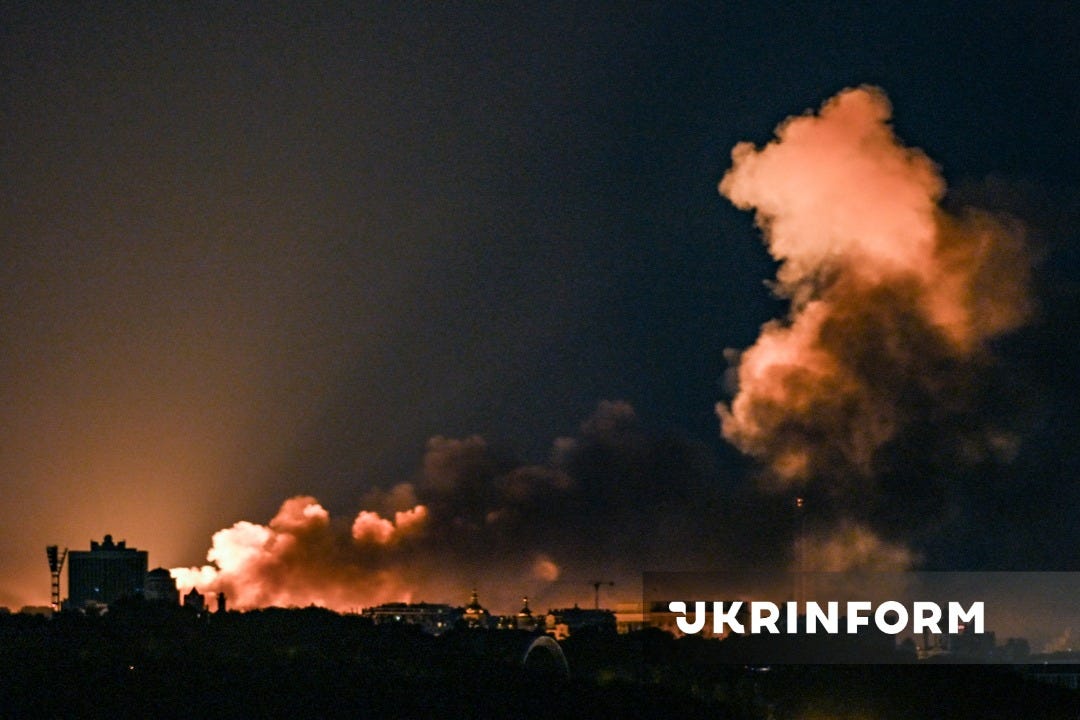
The sky over Kyiv during the massive Russian shelling. Number of victims rises to 79, with 6 dead.
The world will hear “Mothers of Kherson”: first footage from the dress rehearsal of the world premiere at the National Opera
The National Opera of Ukraine hosted a dress rehearsal for the world premiere of the concert version of the opera “Mothers of Kherson” conducted by Carrie-Lynn Wilson, founder of the Ukrainian Freedom Orchestra.
The premiere will take place on June 4.
P1-SUN Shaheed interceptor: what is it capable of now? 3,500 Shaheed Russians have already been shot down
In six months, the P1-SUN interceptor drone has already shot down over 3,500 Shaheds. This was stated in a comment to Ukrinform by the spokesperson for Skyfall, the company that manufactures the interceptor. After the latest modification, the P1-SUN received a detachable top part on which a camera is installed. The interceptor also now uses AI, which helps to find a target in the air and strike it. Meanwhile, the manufacturers are working on an automation system that will allow a single pilot to control ten interceptors at once. For more details about the innovations in the operation of the P1-SUN, watch the Ukrinform video.
Death underfoot! How the Chernihiv region is being cleared of mines after the Russian occupation | The HALO Trust
At the beginning of the full-scale invasion, the Chernihiv region was occupied by Russian troops and was soon liberated by the Defense Forces of Ukraine, but this albeit short period of time did not pass without a trace. Ukrinform visited one of the areas near the village of Yahidne, where Russian servicemen set up forward positions in 2022, regularly supplied ammunition, and, accordingly, were shelled by the AFU. Part of the forest adjacent to the Kyiv-Chernihiv highway, where people used to gather mushrooms and firewood and where they went to rest, is now closed – explosive objects were recently discovered there.
The HALO Trust humanitarian demining team showed how they clear the Chernihiv region of the “Russian trace” and how to protect your health and life from the danger that can literally wait at every step.
Interview
Oleksandr Radchuk, Captain, 22nd Unmanned Systems Battalion “Kratos”
We have no problems with the availability of flyable equipment. Our main challenge, like that of many units, is personnel
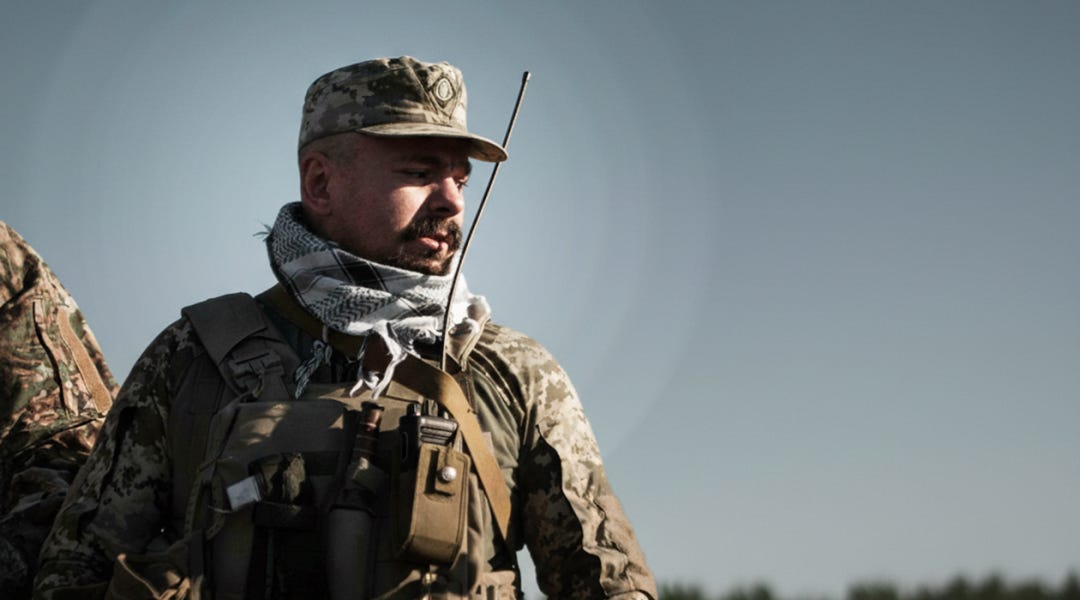
Oleksandr “Pilum” Radchuk, a company commander within the 22nd Unmanned Systems Battalion “Kratos,” speaks with Ukrinform about the importance of layered defense and the challenges facing UAV units.
Before the war, Oleksandr had a successful career at a major energy company, a family, and a passion for historical reenactment. Yet when Russia launched its full-scale invasion, he chose to join the Armed Forces of Ukraine. Since then, he has progressed from defending Kyiv as a frontline soldier to serving as a mortar operator and eventually becoming a captain in a UAV unit.
Volodymyr Horbulin and Valentyn Badrak
Our conclusion was that missiles will remain the number one weapon
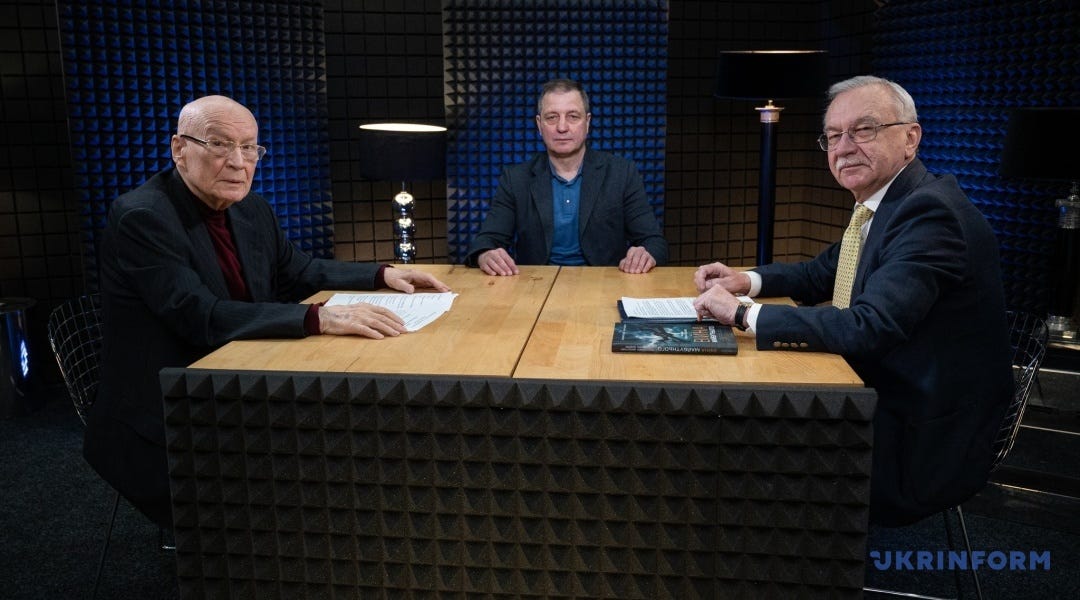
War of the Future, a new book by Volodymyr Horbulin and Valentyn Badrak, has just been published. It is the third major work the two authors have devoted to the Russian-Ukrainian war, following Russia’s War Against Ukraine: How to Finally Break the Four-Hundred-Year Vicious Circle (2025) and Over the Abyss: 200 Days of Russia’s War (2022). Even before the full-scale invasion, Horbulin published his book How to Defeat Russia in the War of the Future (2020).
The publication of this new book offers an opportunity to examine the broader global context of the conflict, its impact on the international order, the emergence of new alliances, shifts in the balance of power, and competing visions of the future. Indeed, the Russian-Ukrainian war has become a catalyst for the unraveling of the world order that took shape after the Second World War.
Captain First Rank Andrii Ryzhenko, former Deputy Chief of Staff of the Ukrainian Navy
Since the start of the war, the balance of naval power has shifted significantly—from a 12:1 Russian advantage to roughly 4:1 today
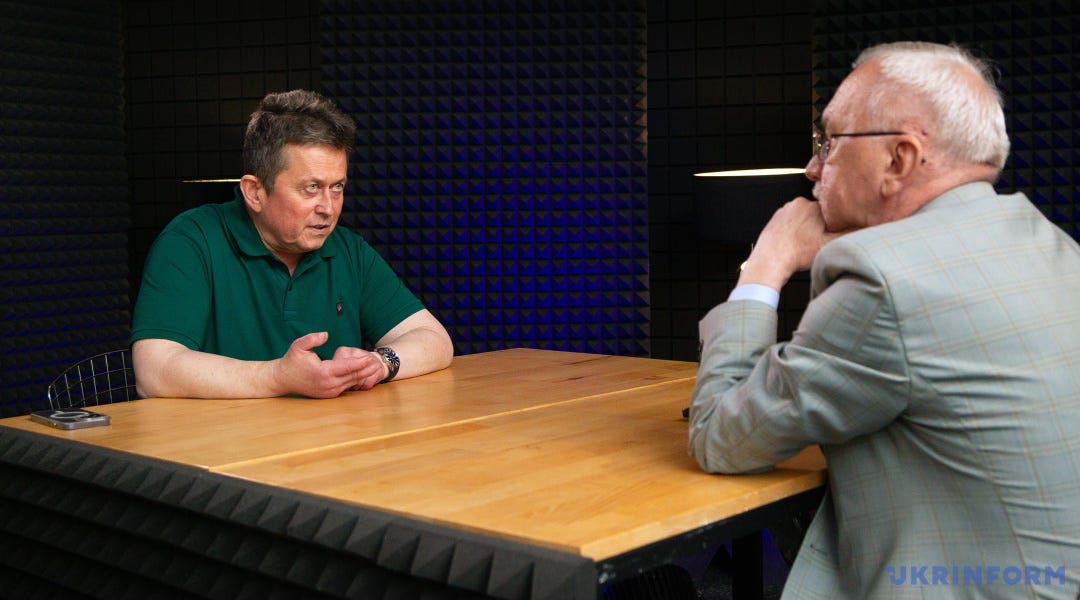
Everyone is familiar with the dramatic episodes of the naval war that has become an integral part of Ukraine’s broader struggle against Russian aggression. Not only Ukrainians but people around the world know where the Russian warship was famously told to go. The liberation of Snake Island, the recapture of the so-called Boyko Towers, and the sinking of the Russian Black Sea Fleet flagship, the cruiser Moskva, have become defining moments of the war. These are remarkable achievements and a source of justified pride for Ukraine.
Yet beyond these headline-grabbing operations lies a larger story: how modern, technology-driven warfare is reshaping the maritime domain and how the Ukrainian Navy has adapted to confront a vastly superior adversary in the Black Sea. To explore this broader picture, Ukrinform spoke with Captain First Rank Andrii Ryzhenko, former Deputy Chief of Staff of the Naval Forces of the Armed Forces of Ukraine.
Publications
€90 Billion in EU Support: The Conditions Ukraine Must Fulfill to Unlock the Entire Package
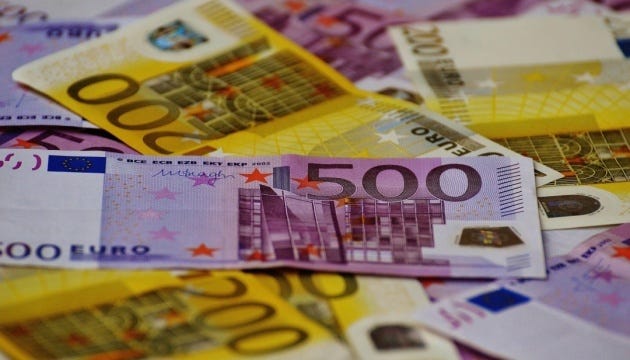
The conditions for the first €3.2 billion tranche of European macro-financial assistance have largely been met, but securing subsequent disbursements will require considerably greater effort.
The Verkhovna Rada’s ratification of the agreement on €90 billion in macro-financial assistance under the EU’s Ukraine Support Loan does not mean that the funds will automatically begin flowing into state coffers. Quite the contrary.
The Memorandum with the European Union represents another major test of Ukraine’s ability to implement reforms and mobilize domestic resources under the exceptionally challenging conditions of wartime. Any delays, backtracking, or failure to meet agreed commitments could lead to postponed disbursements, as has already occurred under the EU’s Ukraine Facility program. Last year alone, Ukraine received approximately €3.6–3.7 billion less than anticipated because of delays in fulfilling reform commitments.
The key question now is how Ukraine can meet the requirements of the new EU Memorandum while avoiding the setbacks that have previously slowed the flow of European financial support.
Will the Kirovohrad Region Become a Lithium El Dorado?
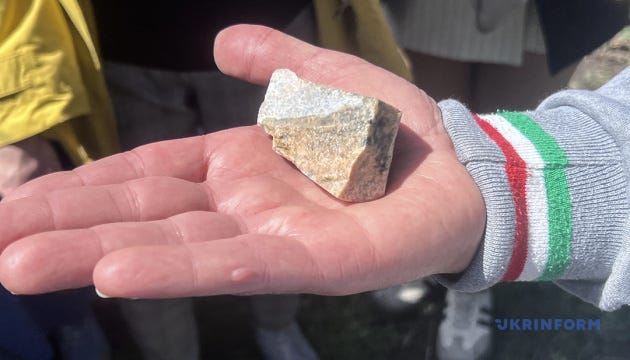
For more than 35 years, the Kirovohrad region has been regarded as Ukraine’s lithium “El Dorado.” In 1989, geologists searching for gold discovered significant deposits of tantalum, niobium, rubidium, beryllium, tin, cesium-bearing minerals, and tungsten ores in the area. Yet it took another quarter-century for the ore zone to receive official recognition, and plans for the industrial development of its strategic mineral resources remained stalled for years.
The issue gained new momentum after attracting the attention of U.S. President Donald Trump, who publicly argued that Ukraine’s vast mineral wealth should form part of a broader framework for securing American support and security guarantees.
In May 2025, Ukraine and the United States signed an agreement on the development of critical minerals in Ukrainian subsoil, including the Dobra lithium deposit in the Kirovohrad region.
The project is set to be developed by a consortium of American investors that includes individuals closely associated with Trump. Under the terms of the tender, the consortium is expected to invest at least $179 million, with total financial commitments likely to exceed that amount substantially.
On the one hand, lithium represents far more than just another industrial project for the Kirovohrad region. It offers the prospect of modernized infrastructure, new jobs, and increased revenues for local budgets. On the other hand, significant questions remain: What impact will a potential “lithium rush” have on the environment, and will the interests of local communities take precedence over the profits of foreign corporations?
Fact Checks
Russian propaganda spreads AI-generated fake investigation alleging “corruption” in Ukraine’s defense procurement system
Russian Telegram channels and bot accounts on X have been circulating a video purporting to be an investigation by Ukrainian journalists into the alleged falsification of reports by Ukrainian servicemembers regarding drone strikes against Russian personnel and equipment. According to the claims, Ukrainian soldiers supposedly upload fake, outdated, or AI-generated videos of successful strikes into the Delta battlefield management system. Russian propagandists further allege that the drones themselves are being “sold off” by Ukrainian troops, who then use reward points earned through the internal eBaly bonus system to order new weapons.
The video’s creators also claim that a platform called StrikeVidMarket exists, where stock footage and AI-generated military-themed videos are allegedly available. According to the propaganda narrative, this enables Ukrainian soldiers to manipulate enemy casualty statistics and “profit” from the war.
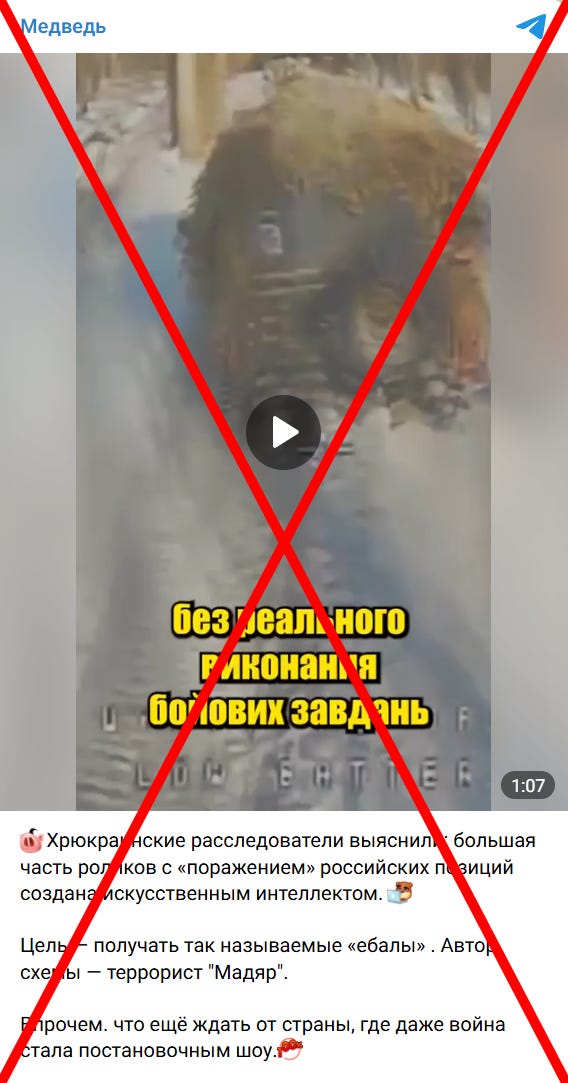
This claim is false. The circulated video does not identify any authors or editorial team supposedly responsible for the investigation. It contains no media logo or other indicators of a legitimate journalistic report. Moreover, its creators provide no evidence to support any of the allegations.
Analysis of the audio track using the Hive Moderation service assessed the probability that the narrator’s voice was AI-generated at 99.3%.
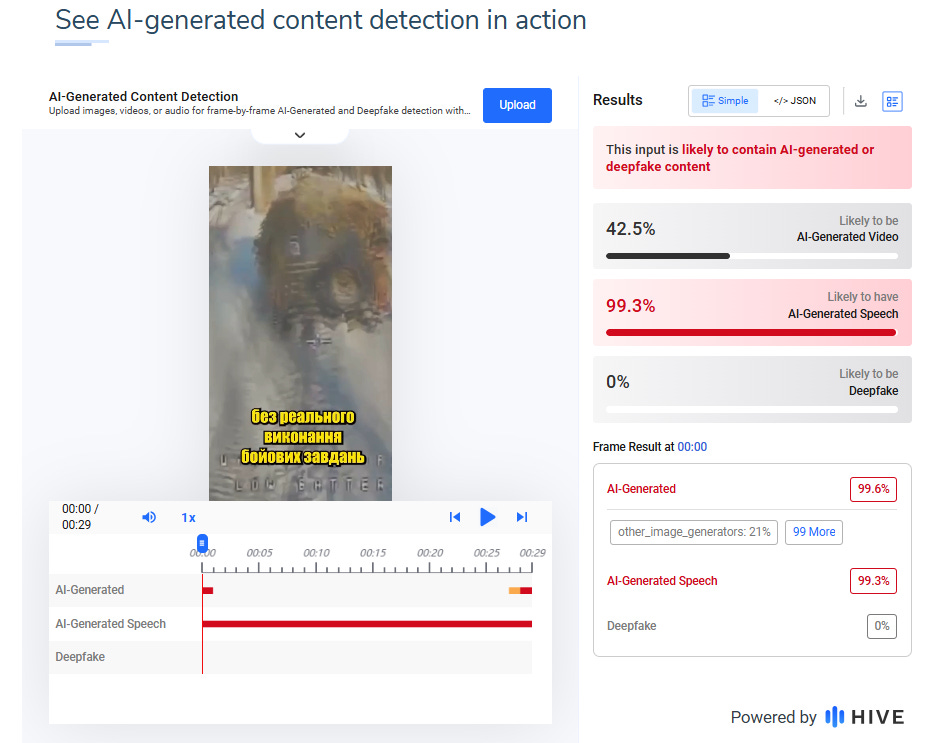
The video itself combines authentic footage of strikes on Russian military equipment with clips taken from Brave1 Market, an online platform through which Ukrainian military units can procure strike systems, ground robotic platforms, and other equipment needed at the front.
The first reports about this alleged “scheme” appeared on a fake Telegram channel impersonating the official page of the 79th Separate Tavriia Air Assault Brigade. Fact-checkers have repeatedly debunked false claims published by this channel in the past.
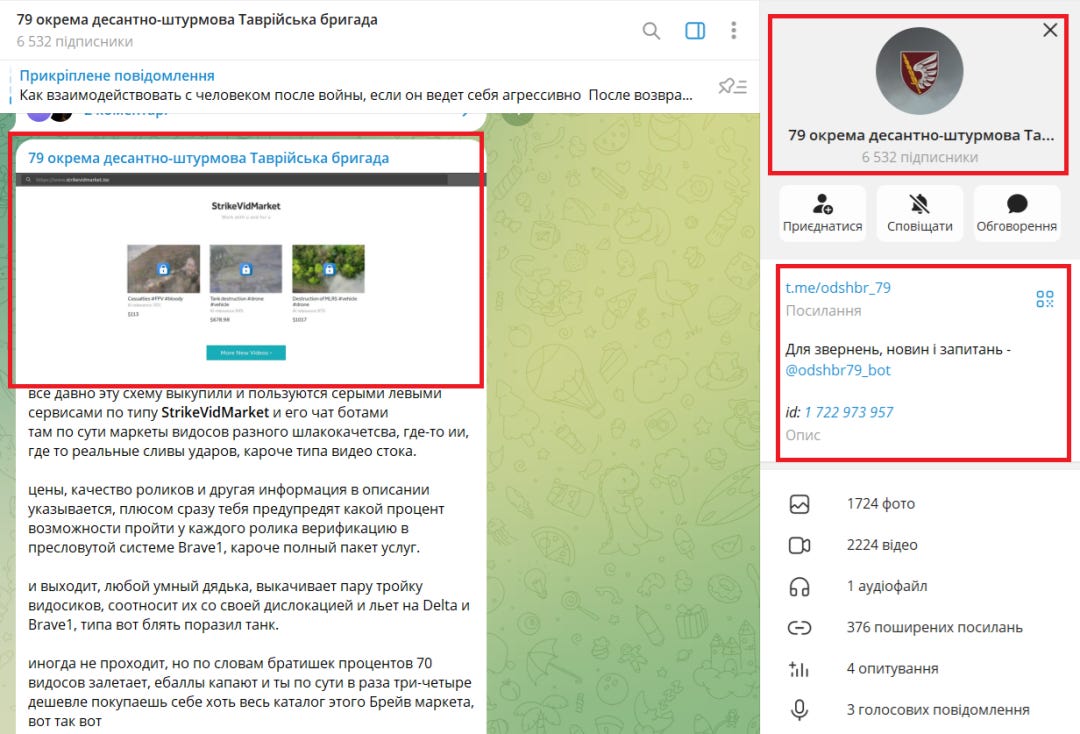
Russian-language posts promoting the story also reference the alleged StrikeVidMarket platform, where stock and AI-generated combat footage is supposedly hosted. However, no active website by that name could be found. The domain strikevidmarket.biz does not appear in website verification services, and there are no references to the platform in publicly accessible search engines.

It is worth noting that Ukraine’s digital procurement and inventory management systems are among the key elements of the modernization of the country’s defense sector and represent an important advantage over Russia’s military administration. Within the eBaly (ePoints) incentive system, military units earn points for destroying enemy equipment, eliminating enemy personnel, and conducting rescue operations. These points can later be exchanged for needed equipment through specialized online platforms.
The primary purpose of these digital solutions is to accelerate logistics, improve procurement transparency, and ensure rapid delivery of critical resources to frontline units. They also enable more efficient asset tracking and faster responses to military needs.
Ukraine’s Delta system includes mechanisms for verifying uploaded materials, including strike footage. Russian propaganda has repeatedly attempted to discredit Ukraine’s digital military tools and cast doubt on official data regarding Russian military losses.
This fake story is part of a broader Kremlin campaign aimed at undermining confidence in Ukraine’s technological advantages. By fabricating reports and inventing nonexistent platforms, Russian propagandists seek to erode trust in Ukraine’s defense procurement system.
As previously reported by Ukrinform, Russian propaganda earlier spread another false claim alleging the “ineffectiveness” of Ukrainian drone specialists operating in the Middle East.
Andrii Olenin
News:
Russian troops ordered to capture Stepnohirsk by end of June – military spokesperson
European Federation of Journalists calls for stronger sanctions against Russia
Trump administration may admit war has reached turning point in Ukraine’s favor – Hodges
Putin has “no incentive to just go into retirement” – Hodges
Admissions 2026: Oldest registered NMT participant is over 70 years old
See you next Friday!