
Weekly Exclusives
Forged by War, Bound by Loyalty: The Stories of Ukrainian Marines. Powerless Siberia: Beijing Keeps the Kremlin on a Tight Economic Leash. Training of soldiers of the 118th Motorized Rifle Brigade.
Photos and videos of the week
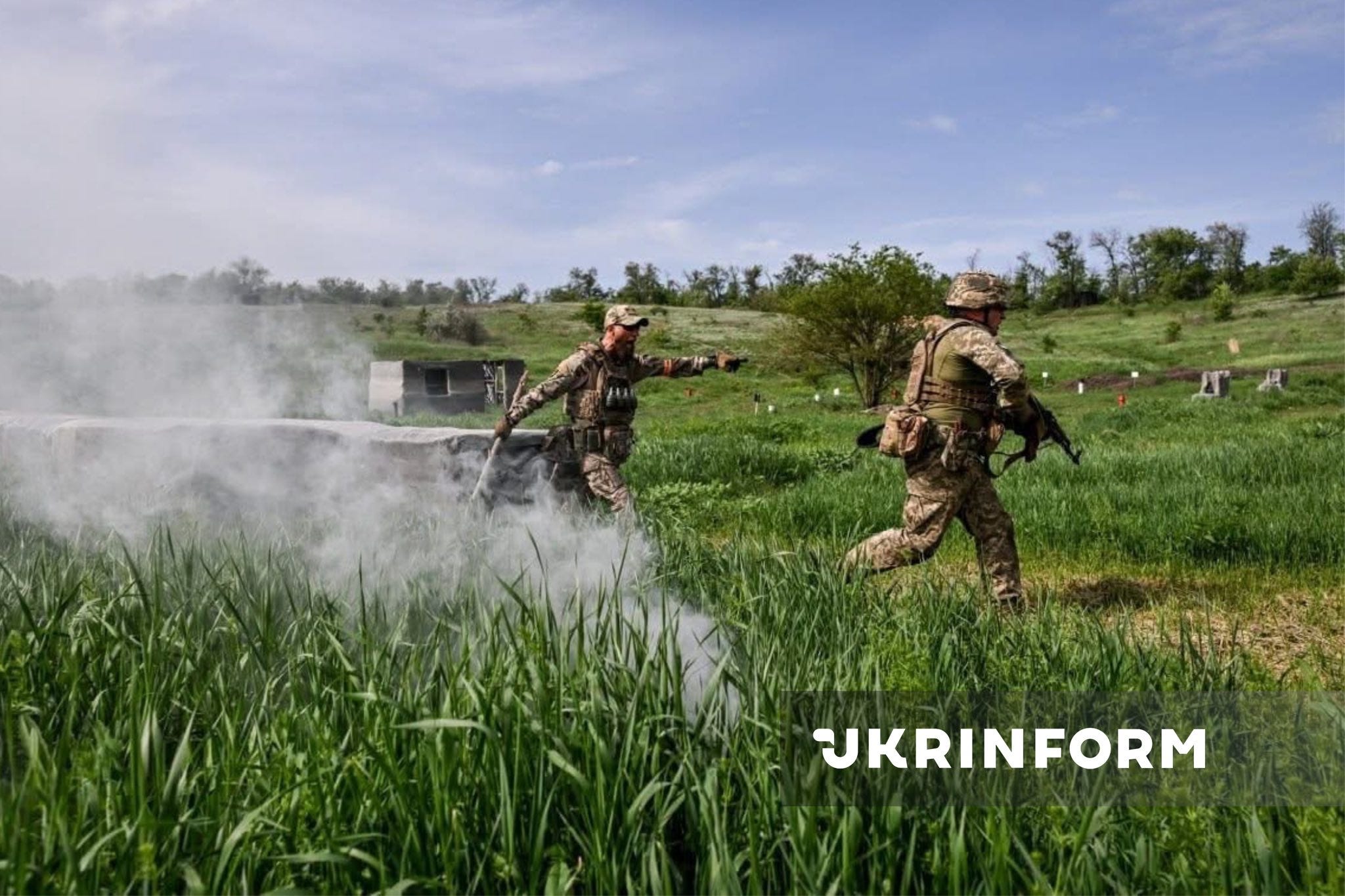
Lukyanivka on fire after massive Russian attack: house and shopping center on fire
The aftermath continues: how Lukyanivka and Kyiv residents are recovering from the night attack
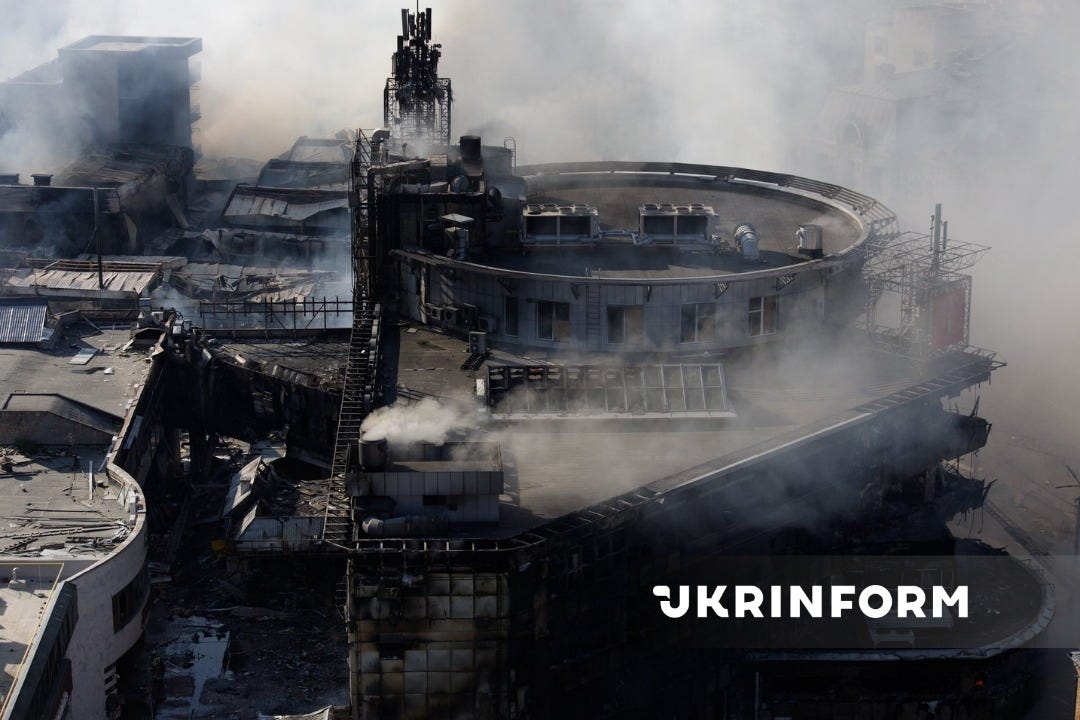
Training of soldiers of the 118th Motorized Rifle Brigade
The Netherlands has transferred another batch of military aid to Ukraine
Which included more than 60 Toyota Hilux pickup trucks, as well as modern unmanned systems.
“We purchased these cars from the civilian industry, after which they were repainted in military colors. All these vehicles are being transferred to the Ukrainian Unmanned Systems Forces to ensure the mobility of units operating drones, both strike and interceptor. This is only part of a larger package of assistance that we have already transferred and will continue to transfer,” said Colonel Simon Wood, who has headed the Taskforce Ukraine at the Dutch Ministry of Defense since the start of the full-scale invasion.
HUR warriors played against Dynamo: an emotional match at the Lobanovsky Stadium in Kyiv
Video provided by the “Timur Special Unit” of the Military District of the Ministry of Defense of Ukraine specifically for Ukrinform
In the center of Kyiv, soldiers of the “Timur Special Unit” of the Military District of the Ministry of Defense of Ukraine changed their combat gear into football uniforms to take the field against the stars of Kyiv’s Dynamo. The charity match was held at the Valery Lobanovsky Stadium.
Andriy Yarmolenko, Volodymyr Brazhko, Denis Popov, Oleksandr Karavayev, and Mykola Shaparenko played for Dynamo. They were opposed by military personnel known for their combat operations — Yankee, Linux, Borghese, Cardinal, and Denis White Rex.
The emotional match ended with a symbolic score of 10:10.
Ukrainian shrines are being transferred to “digital”! The unique ARK III was presented in the Lavra
On May 25, Ukraine received the ARK III mobile cultural heritage digitization station for its long-term preservation during the war. This is a unique mobile laboratory equipped with 3D scanning and photogrammetry technologies, which allows for the creation of high-precision digital copies of museum objects and monuments directly at their storage locations.
The project is implemented in cooperation with the Ministry of Culture and Strategic Communications of Ukraine, the Ministry of Culture of the Czech Republic, the National Museum of the Czech Republic, and the Karel Komárek Family Foundation (KKFF).
Interview
Roman Kachur, Head of the Hetman Petro Sahaidachnyi National Army Academy
The Academy’s training program is fully tailored to the realities of modern warfare
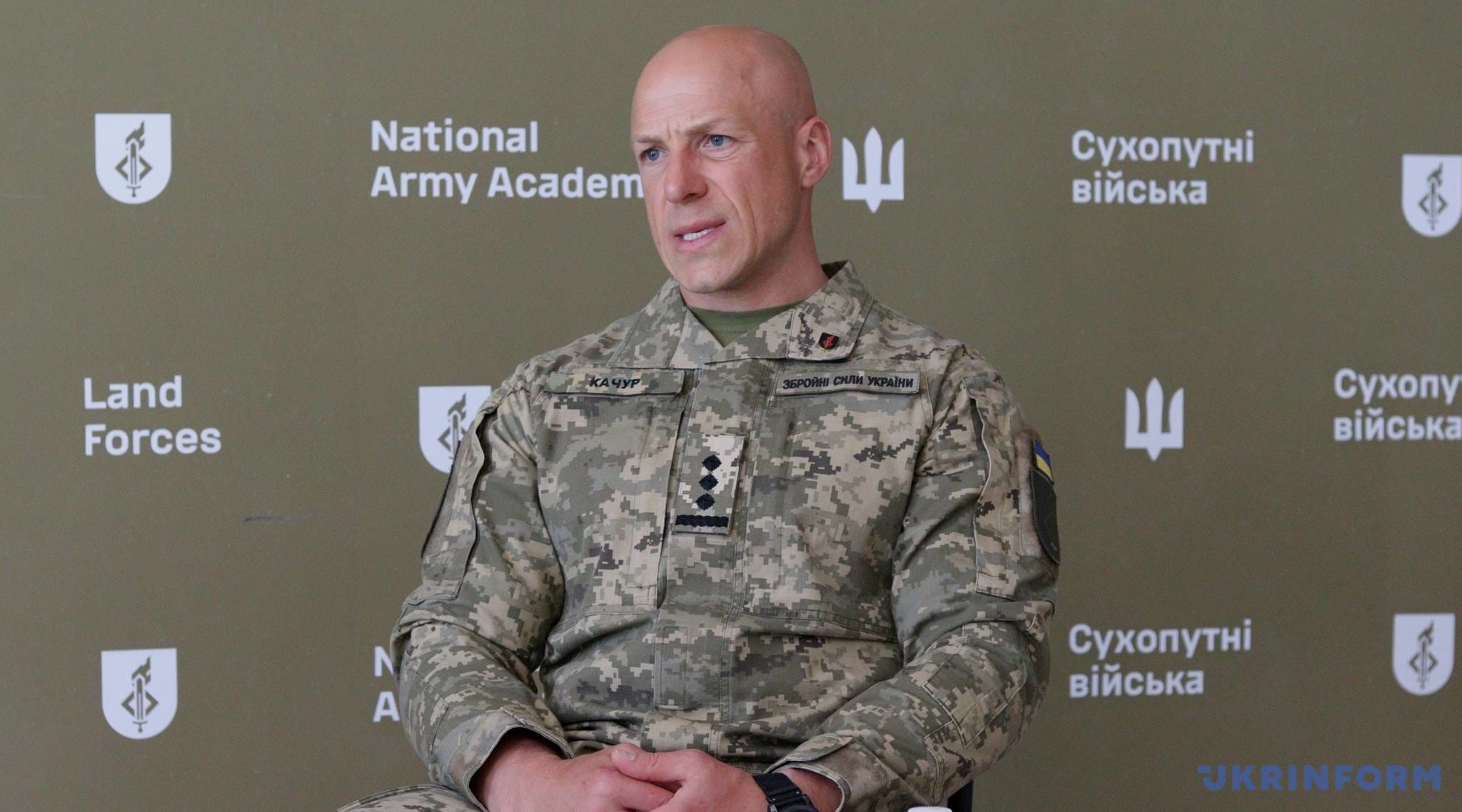
For more than a year, the National Army Academy in Lviv has been led by Roman Kachur, a Hero of Ukraine and Armed Forces Colonel who took over the institution following a Ministry of Defense inspection triggered by mounting criticism over cadets’ training conditions and living standards.
In an interview with Ukrinform, Colonel Kachur spoke about his combat experience, the unusual process through which he was appointed head of the academy, and the reforms already introduced in the educational system, daily routines, cadets’ living conditions, and the overall attitude toward cadets within the institution’s leadership culture.
Halyna Yanchenko, Member of Parliament of Ukraine
Ukraine’s Defense Industry Has Made a Quantum Leap in Capability, Scale, and Quality
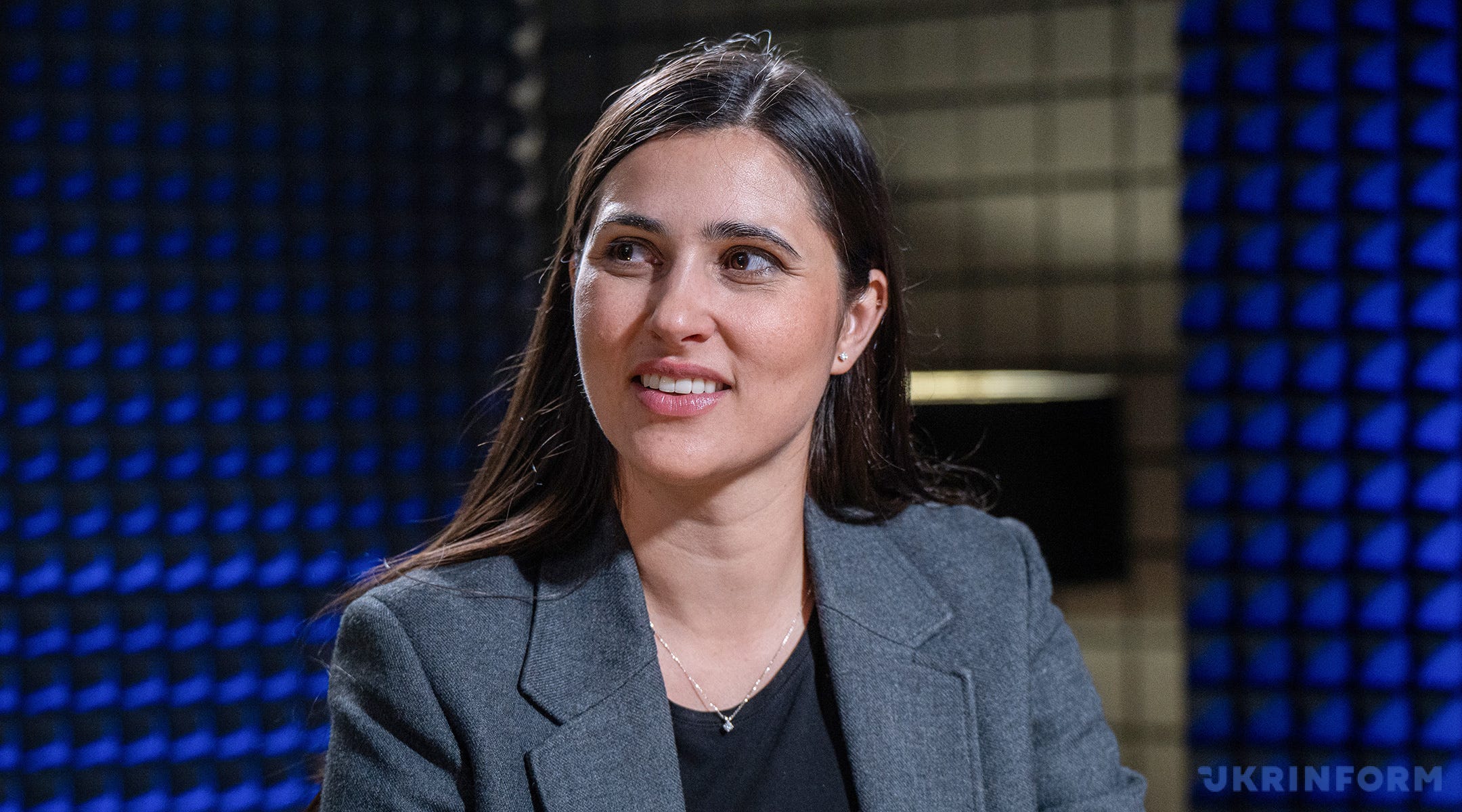
According to SIPRI, Ukraine ranks first in the world in arms imports. This is hardly surprising: the war has been ongoing for more than four years, the demand for weapons and ammunition remains immense, and Ukraine’s partners continue to provide substantial military assistance.
At the same time, Ukraine has achieved extraordinary growth in its defense-industrial capacity. As a result, the country is now reaching a point where certain categories of domestically produced weapons could potentially be exported. This, however, is far from a straightforward issue. The defense sector is highly specialized and requires careful regulation both at the governmental level and through legislation.
Ukrinform discussed these and other related issues with Halyna Yanchenko, Member of Parliament of Ukraine (Verkhovna Rada), Chair of the Temporary Special Commission of the Verkhovna Rada on the Protection of Investors’ Rights, head of the working group on investment in the defense-industrial sector, and author of the draft law on public-private partnership.
Liubov Abravitova, Director of the Department of Africa and Regional African Organizations at Ukraine’s Ministry of Foreign Affairs
Africa Is Reassessing Russia Over Mercenary Recruitment for the War Against Ukraine
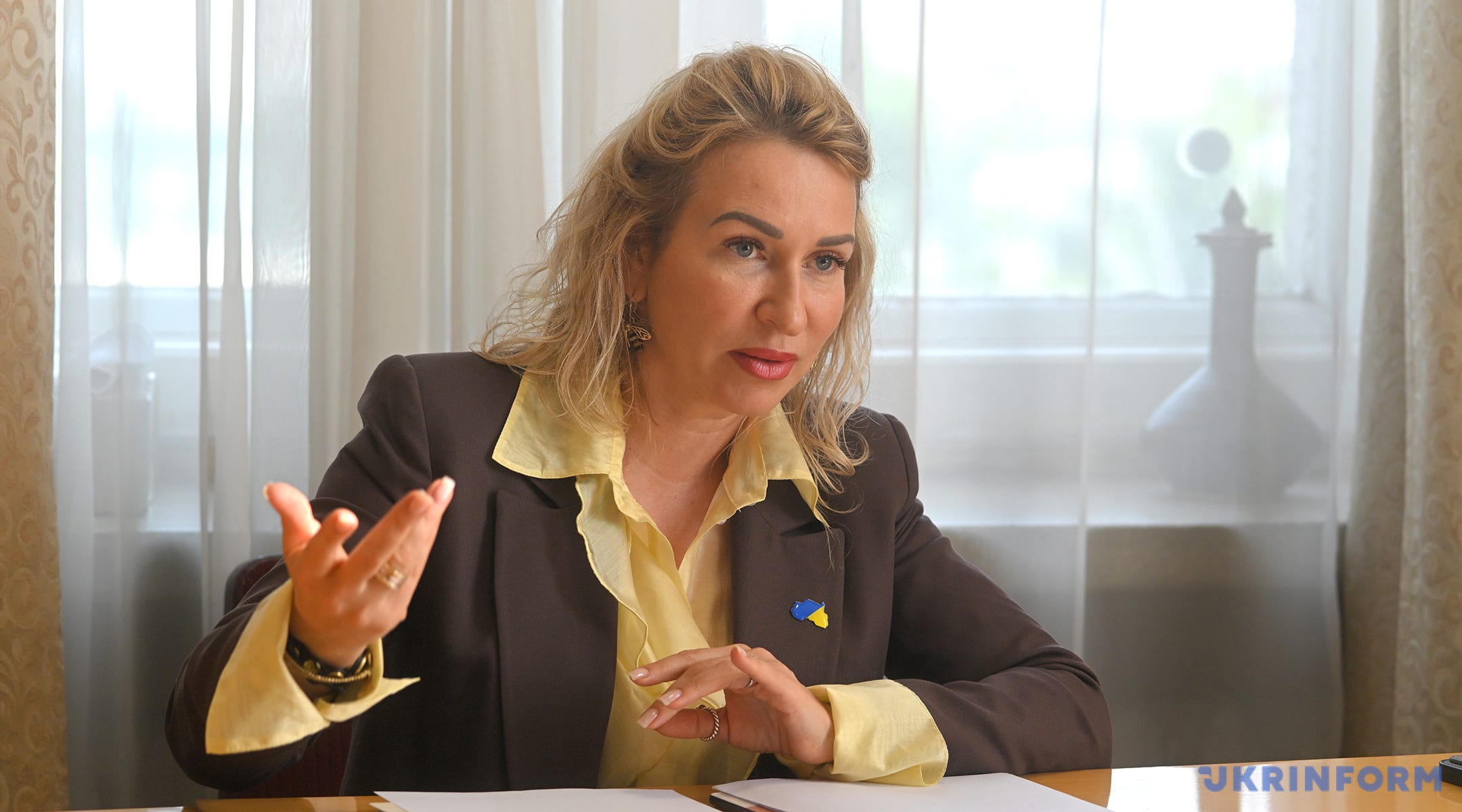
Since the start of Russia’s full-scale invasion, African countries have shown growing interest in Ukraine, while the positions taken by states across the continent — from active support to abstentions in international votes — have become an increasingly important factor on the global stage. Attention toward Ukraine was further amplified by the food crisis triggered by Russia’s blockade of the Black Sea shipping corridor, which had a particularly severe impact on African nations.
On the eve of Africa Day, observed annually on May 25, Ukrinform spoke with Liubov Abravitova, Director of the Department of Africa and Regional African Organizations at Ukraine’s Ministry of Foreign Affairs, about Ukraine’s evolving approach to cooperation with the continent, the recruitment of Africans to fight in Russia’s war against Ukraine, Russia’s “blood diamonds,” and what the diplomat misses after returning from an eight-year posting in Africa.
Jürgen Hardt, foreign policy spokesman for the CDU/CSU parliamentary group in the Bundestag
Ukraine must win this war
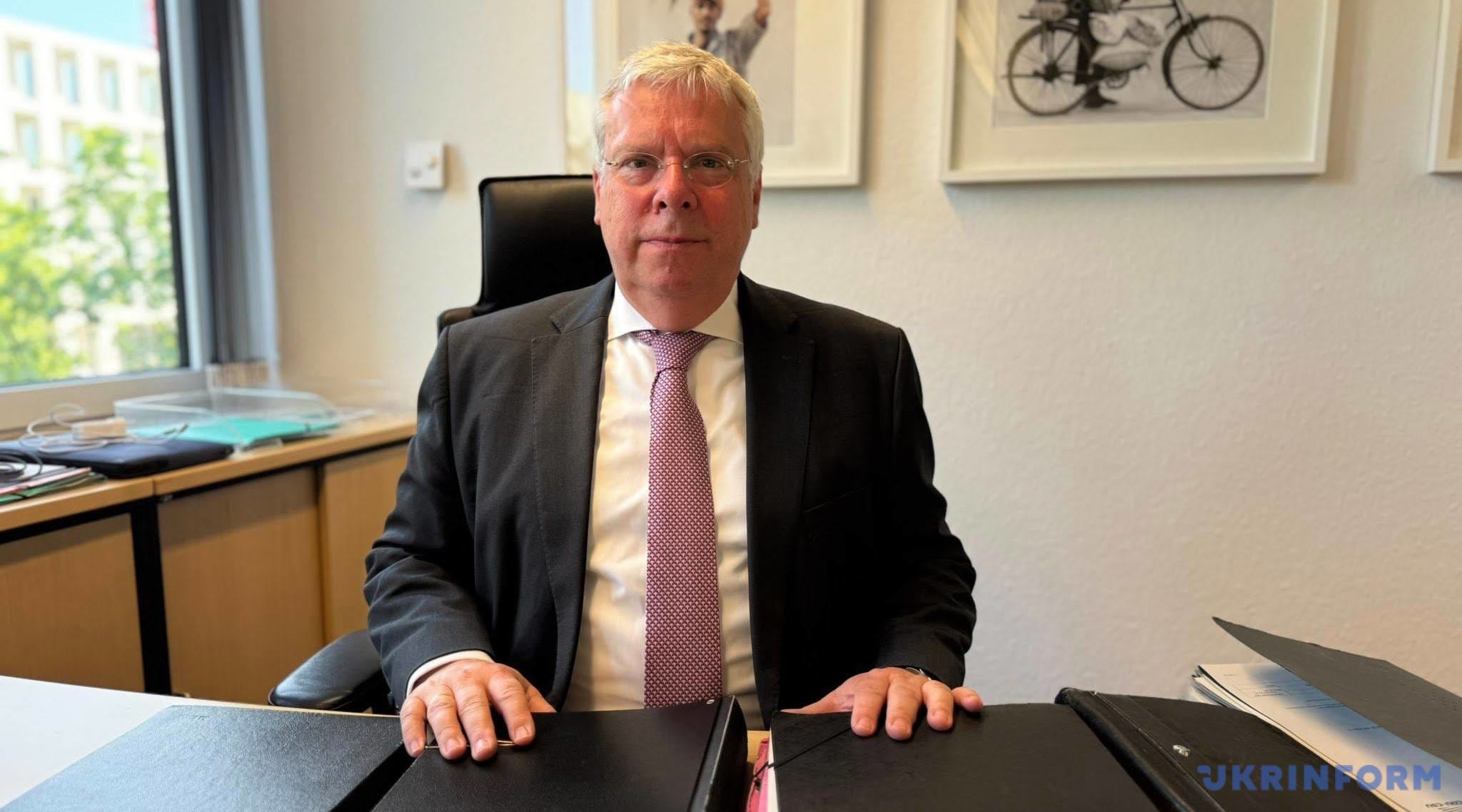
Germany is the largest bilateral provider of assistance to Ukraine in Europe and one of the key pillars of broader European support for Kyiv. Berlin’s position plays a major role in shaping the scale and direction of military aid to Ukraine, maintaining EU unity on sanctions against Russia, and influencing efforts toward a future peace settlement.
Against this backdrop, political developments in Germany — and the thinking of decision-makers in Berlin — are of particular importance to Ukraine. This applies above all to the Christian Democratic Union of Germany/Christian Social Union in Bavaria conservative alliance, which leads the German government in coalition with the SPD and plays a decisive role in shaping the country’s foreign policy course.
Ukrinform’s staff correspondent in Germany spoke with one of the most influential conservative voices on security and foreign policy — Jürgen Hardt, a CDU member of the Bundestag and foreign policy spokesman for the CDU/CSU parliamentary group.
The conversation covered a range of key issues: whether Berlin’s strategic objective is Ukraine’s victory or merely preventing its defeat; the prospects of the pro-Russian Alternative for Germany coming to power and what that could mean for continued support for Ukraine; how Berlin envisions the path toward peace in Ukraine; and how German policymakers assess the Kremlin’s willingness to negotiate. The interview also touched on Taurus missiles, Nord Stream, “mediator” Gerhard Schröder, the prospect of a special tribunal for Vladimir Putin, and other issues.
Ben Hodges, former Commanding General of US Army Europe
Ukraine has developed a theory of victory
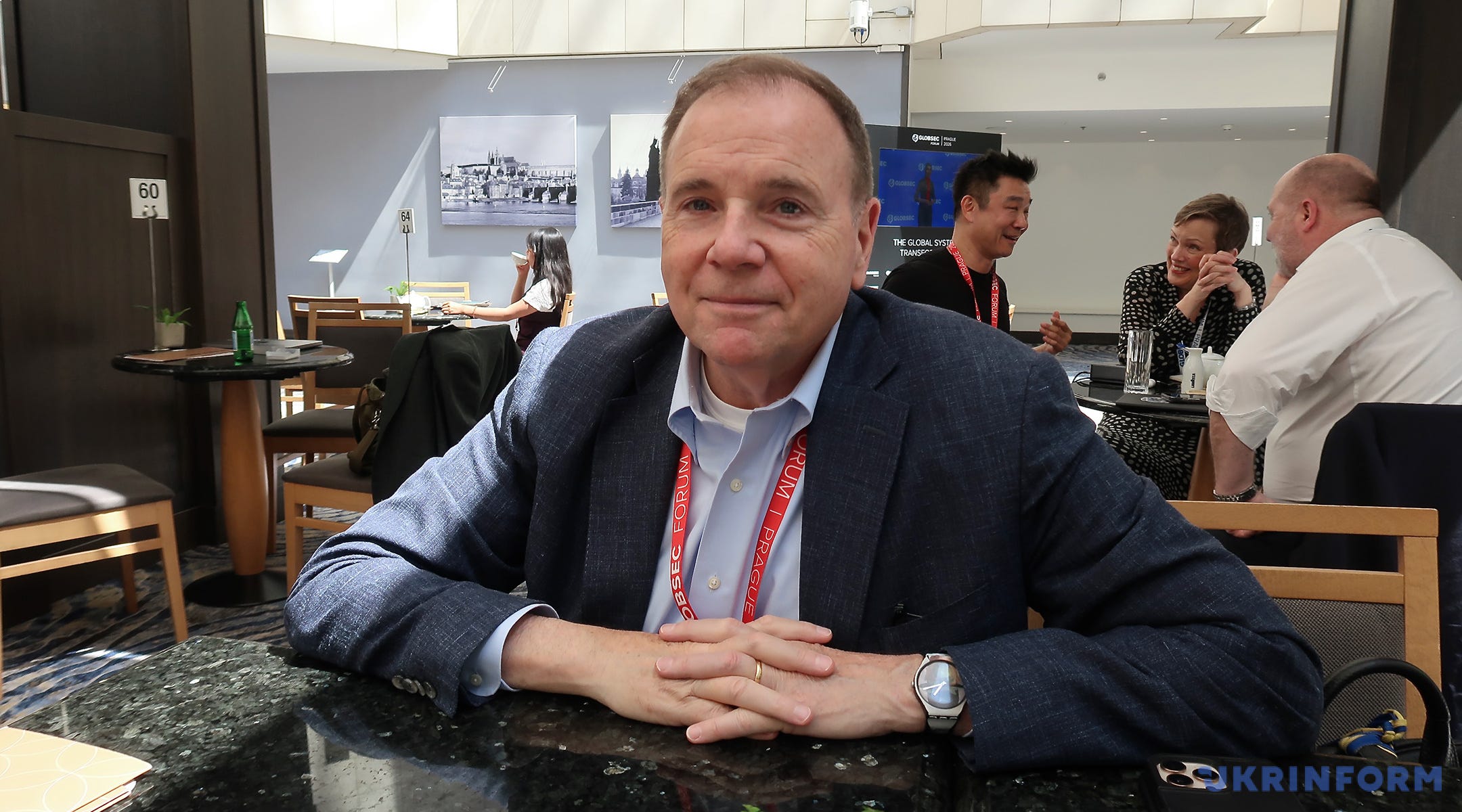
Retired General Ben Hodges attends international forums carrying a briefcase with a map of southern Ukraine, where he marks positions and draws arrows around Crimea. He brought it with him to Prague for the GLOBSEC security forum, and Ukrinform began its conversation with the retired General by discussing Crimea.
Publications
The Kremlin’s Missile Blackmail: Raising the Stakes or Masking Strategic Weakness?
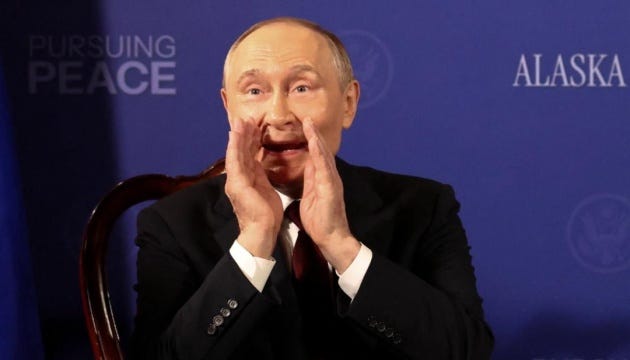
Escalation or Desperation? The Real Goals Behind the Kremlin’s Missile Blackmail
Following the massive combined attack on Kyiv on the night of May 24, Russia effectively signaled the possibility of a new wave of strikes against the Ukrainian capital. Moscow urged foreign nationals to leave the city immediately and advised residents to stay away from administrative and military facilities. Ukraine’s Foreign Minister, Andrii Sybiha, responded swiftly, stressing that the threats were intended solely to intimidate the Western diplomatic corps and that such blatant political blackmail would not achieve the Kremlin’s objectives.
Forged by War, Bound by Loyalty: The Stories of Ukrainian Marines
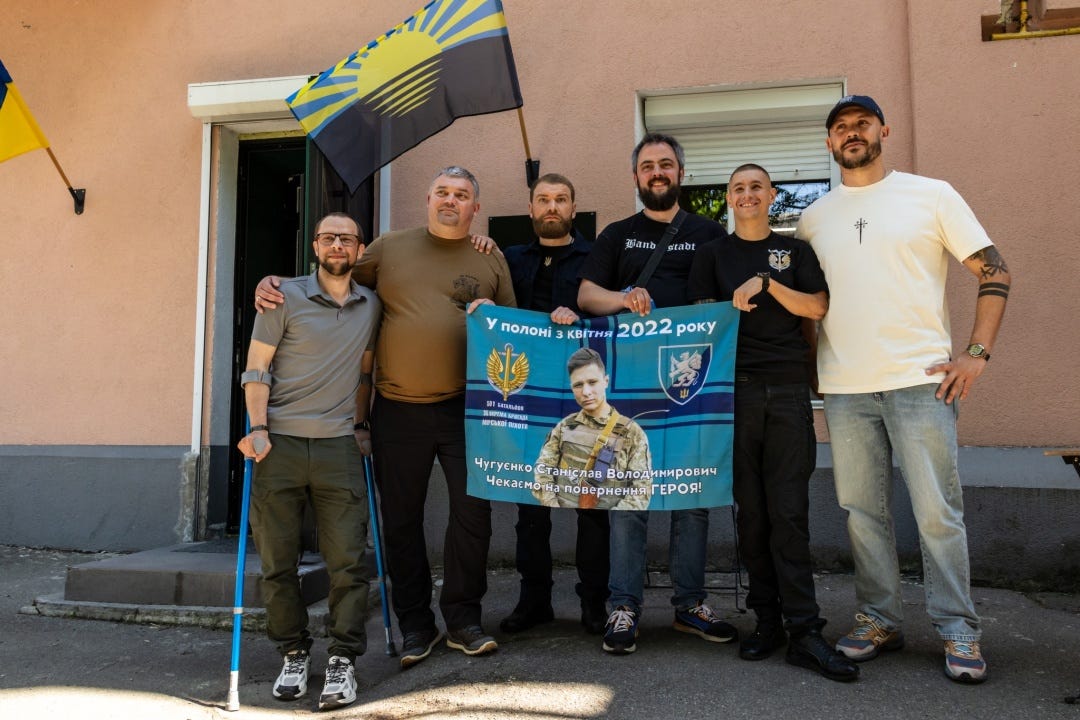
Every year on May 23, Ukraine marks Marine Corps Day. As a distinct branch of the Armed Forces, Ukraine’s Marine Corps began to take shape after Russia’s annexation of Crimea in 2014. This new fighting force was built almost from scratch by those who remained loyal to Ukraine. That is why the branch’s motto — “Faithful Forever” — though rooted in the traditional slogan used by marines around the world, carries a deeply personal meaning for Ukrainian marines.
Marines are versatile warriors: they can fight along coastlines and deep inland, storm enemy positions, defend bridgeheads, wage urban combat, and carry out a wide range of other missions. Since the start of the full-scale invasion, Ukraine’s Marine Corps has defended Mariupol, helped liberate Kherson region, held the line in Krynky, and fought on the Kursk axis.
Ahead of their professional holiday, fighters of the 36th Separate Marine Brigade named after Rear Admiral Mykhailo Bilynskyi shared stories of brotherhood, resilience, and courage.
Powerless Siberia: Beijing Keeps the Kremlin on a Tight Economic Leash
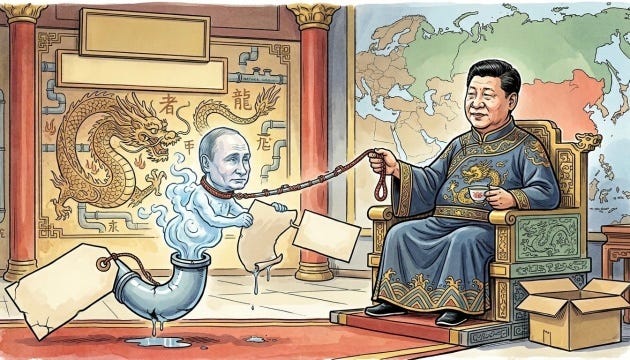
Kremlin diplomacy has long suffered from a peculiar psychological fixation — an obsession with mythical “spirits.” First, at Sergei Lavrov’s prompting, the Kremlin elders began worshipping the self-invented “Spirit of Anchorage,” a concept virtually unknown even in the United States itself. Now, Putin aide Yuri Ushakov has solemnly proclaimed the birth of a new geopolitical phantom: the “Spirit of Beijing.” In reality, however, this latest “spirit” smells less like strategic triumph and more like the growing stench of desperation wafting from Russia’s collapsing gas sector.
Putin’s 25th trip to China, accompanied by an entire squadron of oligarch-owned business jets, was supposed to culminate in the grand signing of an agreement on the Power of Siberia 2 gas pipeline. During the previous visit in September 2025, Moscow triumphantly claimed that a “legally binding memorandum” on the project was already in place. Gazprom chief Alexei Miller used precisely that wording while proclaiming that the pipeline would become “the largest and most capital-intensive gas project in the world.” Beijing, notably, never officially confirmed any such agreement.
At the time, many observers dismissed the discrepancy as merely another example of classic “Eastern subtlety.” But subsequent events revealed a far simpler reality: China has no intention of expanding imports of Russian gas on Moscow’s terms. By May 21, 2026, following yet another Putin visit to the Celestial Empire, even the Kremlin’s rhetoric had grown noticeably bleak. Beijing once again reminded Moscow of its actual place within China’s geopolitical food chain.
The leader of the OUN, Andriy Melnyk, has been reburied in Ukraine. What comes next?


On May 25, the National Military Memorial Cemetery hosted the ceremonial reburial of OUN leader Andriy Melnyk and his wife, Sofiia.
This unquestionably historic event — the first honorary reburial on Ukrainian soil of a fighter for Ukraine’s independence — took place with the participation of the country’s top leadership, including President Volodymyr Zelensky, Speaker of the Verkhovna Rada Ruslan Stefanchuk, Prime Minister Yuliia Svyrydenko, as well as representatives of the government, parliament, the Office of the President, civil society, the clergy, the military, and, of course, Plast, in which Sofiia had long been an active member.
News:
War
Russia has recruited nearly 3,000 Africans from 36 countries to fight against Ukraine - MFA
NATO – Ukraine JATEC to hold training on countering Russian PsyOps
Russian Shahed drone with Chinese components shot down in Mali
Ukraine needs military aid, not mediators in negotiations – German expert
China not interested in mediating between Ukraine and Russia – Volker
Politics
Political analyst says Ukraine could become key element of Europe’s security system after war
Ukraine should continue strikes on Russian military infrastructure in rear areas – Estonian FM
Ukraine capable of seizing initiative on parts of frontline – German CDU/CSU spox
Only Alternative for Germany opposes aid to Ukraine in Bundestag – CDU/CSU spox
China may rethink stance on Russia’s war after Xi’s U.S. visit – analyst
Public discontent growing in Russia over strikes on Moscow and drone attacks – expert
Tsikhanouskaya seeks stronger political and civil society cooperation with Ukraine
Ukraine unlocks another source of funding within PURL – FM Sybiha
Council of Europe representative urges partners to focus more on return of Ukrainian children
Economy
Vlasiuk: New British sanctions shut down key Russian crypto channels used to evade restrictions
Ukraine’s MFA: Opening of Belarusian democratic forces mission progressive step for Ukraine
Political analyst says Russia could face food supply disruptions by late summer
Ukrainian strikes reshape Russia’s oil exports, cutting budget revenues – expert
See you next Friday!