
Weekly Exclusives
Weekly Exclusives - a newsletter that contains author publications, interviews, exclusive comments, photos and videos.
Photos and videos of the week
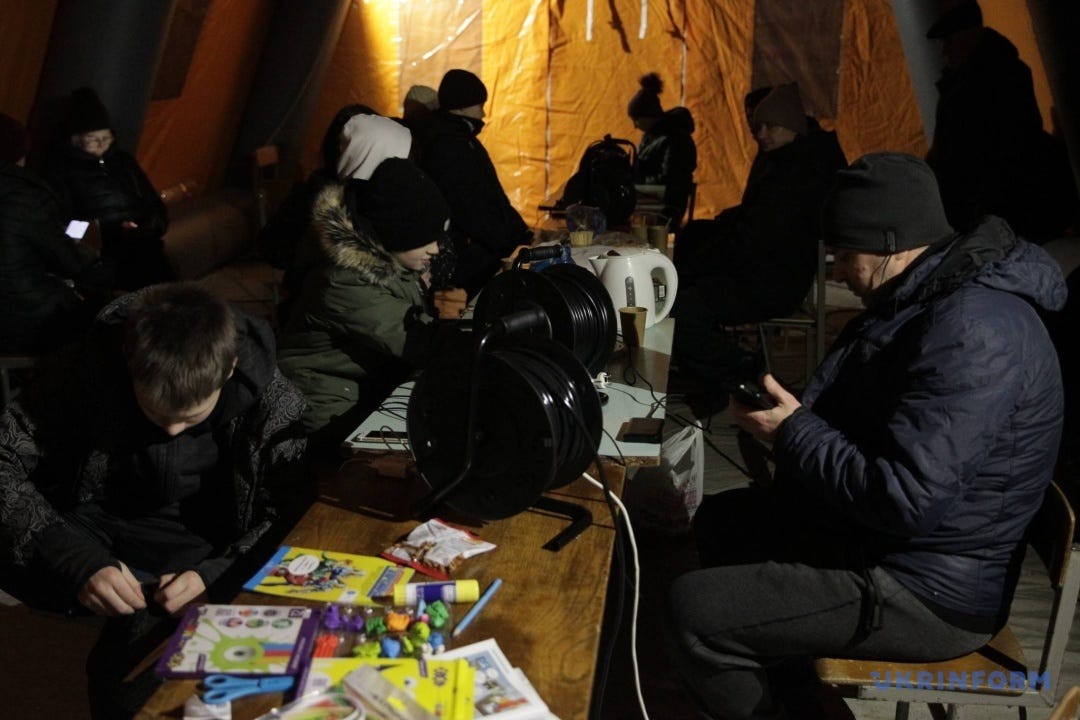
Over 1,300 inviolability points operate in Kyiv, and additional heating points are being deployed.
Leleka UAV Strengthens Ukrainian Reconnaissance, Inflicts Enemy Losses


Ukrinform Correspondents Observe the Work of a Reconnaissance Crew from the 129th Separate Heavy Mechanized Brigade in Kharkiv Region
Despite rapidly changing weather conditions, aerial reconnaissance operators of the 129th Separate Heavy Mechanized Brigade of the Armed Forces of Ukraine continue tracking enemy activity. One of the crews demonstrated how they operate the Leleka aerial reconnaissance UAV system. The terrain, the Ukrainian UAV, and the pilots’ skill are the focus of this Ukrinform report.
Interview
Armin Papperger, CEO of Rheinmetall
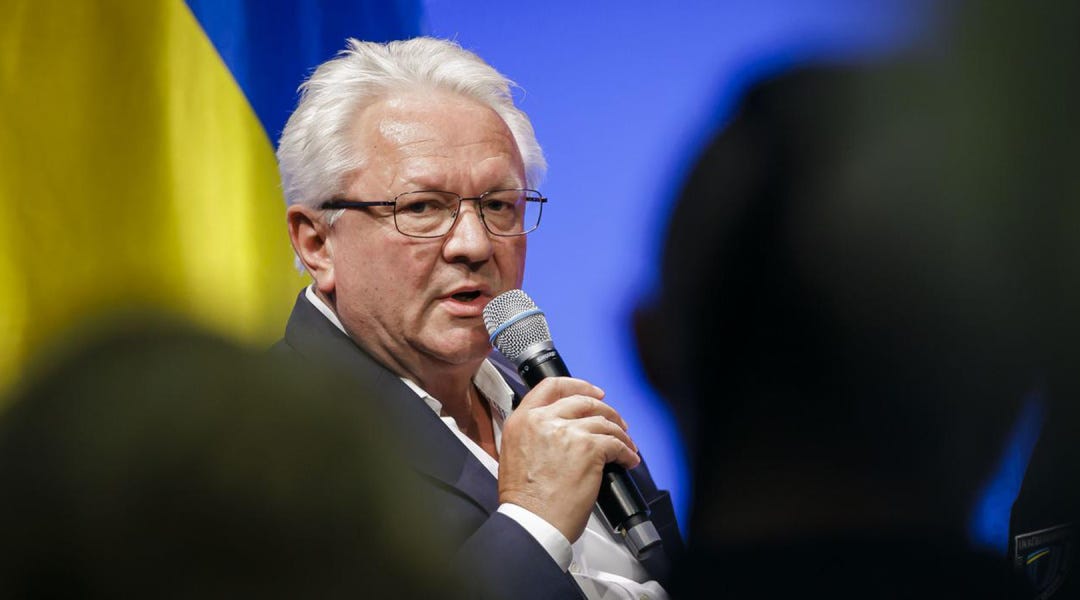
Rheinmetall is a key partner for Ukraine, which has begun supporting the country virtually from the very start of Russia’s full-scale aggression. The company expressed readiness to repair German armored vehicles from Bundeswehr stockpiles for the Ukrainian Armed Forces even before the German government approved such a decision. Later came deliveries of various weapons systems and ammunition, contracts, and even joint production programs, including those implemented in Ukraine.
A driving force behind this cooperation is Armin Papperger, CEO of Rheinmetall AG.
The head of one of the world’s most powerful defense groups spoke with Ukrinform about the current state of and prospects for cooperation with Ukraine – though without disclosing details, which is entirely understandable under wartime conditions.
Yurii Papusha, Dnipropetrovsk Regional Prosecutor
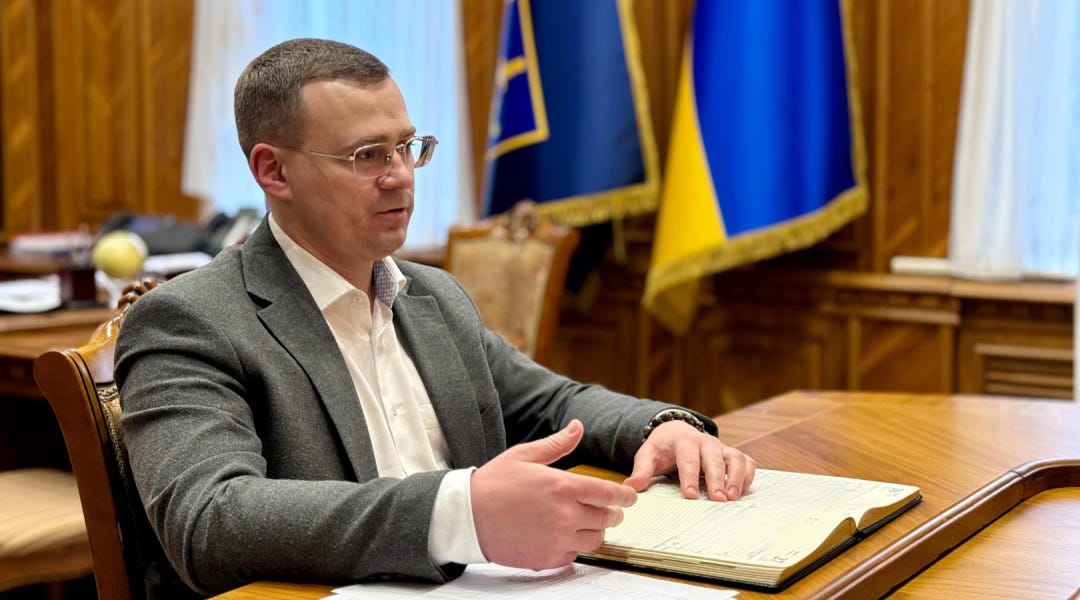
Dnipropetrovsk Region is one of the largest in Ukraine, covering 31,900 square kilometers. According to the regional prosecutor’s office, the region is currently home to around 3.5 million people, including more than 464,000 internally displaced persons.
Administratively, the region is divided into seven districts, comprising 86 territorial communities. The most populous cities are Dnipro, Kryvyi Rih, Kamianske, Nikopol, and Pavlohrad. At the same time, some communities—most notably Nikopol—have experienced a significant population outflow due to constant Russian shelling.
As of today, 15 territorial communities in Dnipropetrovsk Region have been officially recognized as zones of active hostilities.
In an interview with Ukrinform, Yurii Papusha, Head of the Dnipropetrovsk Regional Prosecutor’s Office, spoke about war crimes committed by the Russian army in the region and by those who facilitated them, crimes against children, offenses in the budgetary sphere, and the accountability that every perpetrator must face.
Mohsen Behzad Karimi, Iranian analyst

As the brutal crackdown by Iranian authorities on protesters continues and the civilian death toll rises, Iran is witnessing one of the most serious popular uprisings in its modern history. International reactions are intensifying, as further developments will have major implications for the region and the global landscape. The situation is no longer confined within Iran’s borders, and multiple geopolitical interests are now directly tied to the outcome.
Ukrinform sat down with Mohsen Behzad Karimi, a Belgium-based Iranian researcher, socio-political activist, and journalist specialising in Iran-EU politics, transitional justice, and religious legal systems, to discuss the roots and nature of civic resistance in Iran, the actors involved, the role of foreign powers, Iran’s alignment with Russia and China, and the possible outcomes of the uprising.
Publications
Foreign troops in Ukraine: what the ‘Coalition of the Willing’ Paris summit clarified
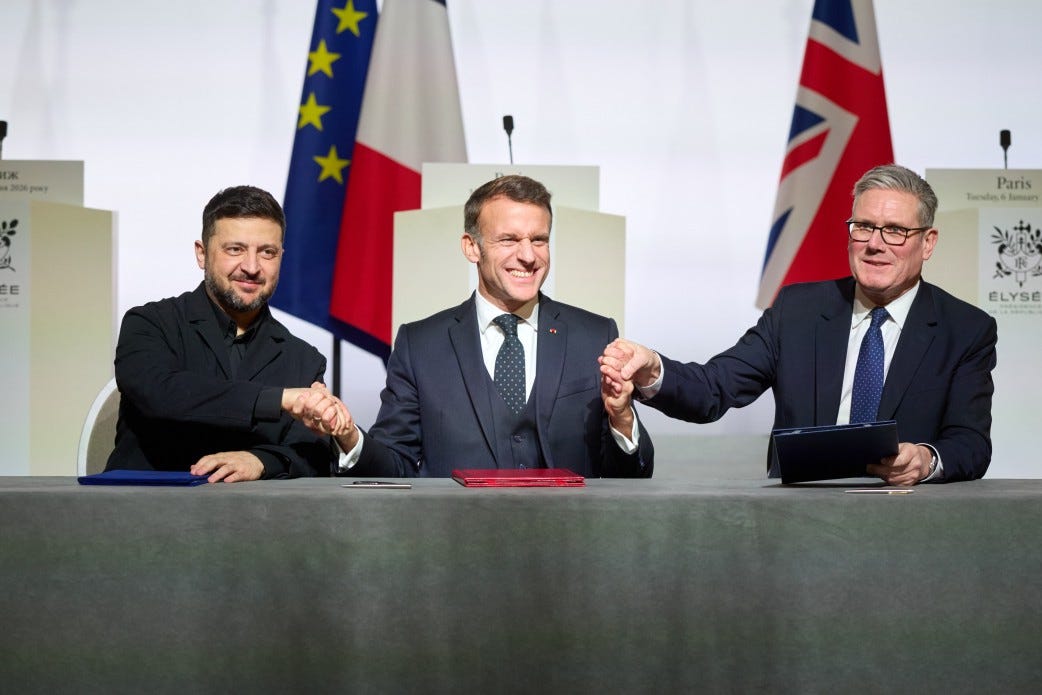
European Partners Move on Toward Practical Steps, but without a U.S. Backstop
Air, Ground, and Maritime Assets Lost by Russian Forces in December
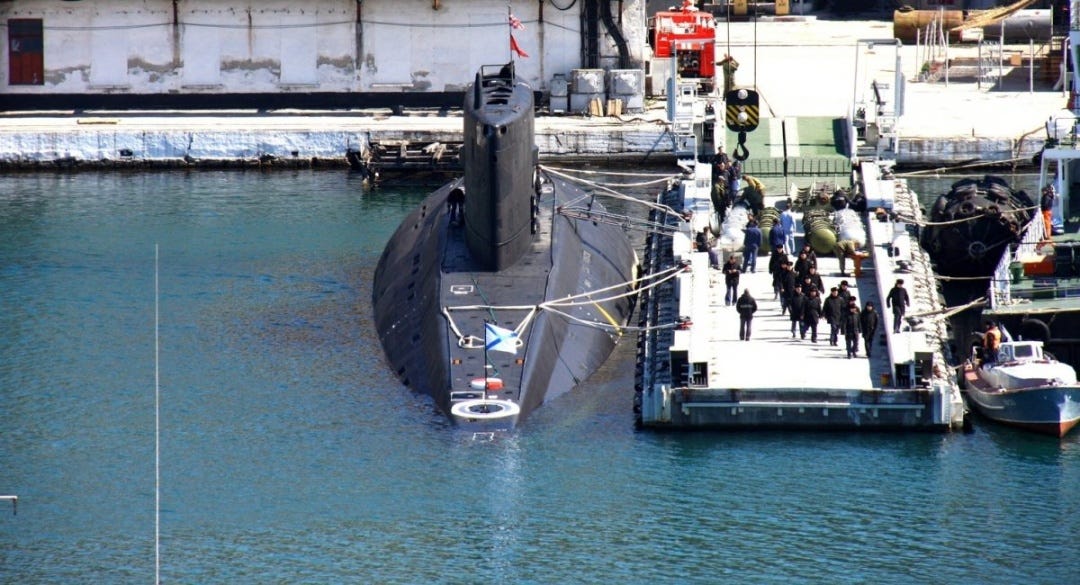
December 2025 delivered a substantial tally of destroyed Russian military equipment and weapons systems. Hostile aircraft were shot down, radar systems were burned out or disabled, and surface-to-air missile systems were blown apart into scrap metal. At sea — in both the Black Sea and the Caspian — Russian vessels encountered Ukraine’s evolving approach to maritime demilitarization, as naval drones sent several ships the same way as the missile cruiser Moskva.
In this latest Ukrinform review, we look at the most significant losses in weapons and military hardware sustained by Russian forces at the end of last year.
The United States Has Made Clear Where Russia’s Borders End
Russia was shaken not only by the American “special operation” that resulted in the arrest of Venezuelan dictator Nicolás Maduro, but also by the second phase of that operation—which directly affected Moscow itself. This involved the seizure by U.S. special forces of two “shadow fleet” tankers, Marinera and Sophia.
The story unfolded almost in real time. The United States has been pursuing the tanker Marinera since mid-December, after it abruptly changed course while sailing from Iran to Venezuela in an apparent attempt to evade detention by the U.S. Coast Guard. At the time, Washington emphasized that Marinera had violated the maritime blockade imposed on Venezuela, which applies to sanctioned vessels. The Marinera has been under sanctions since 2024.
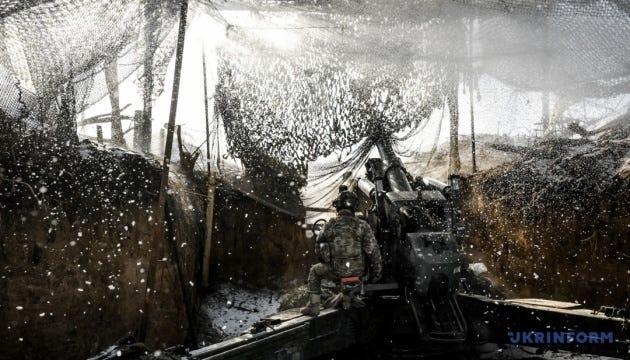
Drivers of the Current Slowdown in Russian Offensive Operations
According to the results of the first week of January, occupying forces managed to seize 48 square kilometers of Ukrainian territory. On the scale of a front line stretching thousands of kilometers, this amounts to near-standstill—especially when compared with the pace observed in November 2025. What lies behind this apparent “slowdown”? It is certainly not a change in the enemy’s strategic objectives, nor a “gesture of goodwill,” but rather the outcome of a complex equation in which weather conditions, the depletion of Russia’s mechanized resources, and the specifics of urban combat all play a role. The enemy general staff has not abandoned offensive operations—it has simply become bogged down in snow and concrete.
Fact Checks
Russia spreading fake videos allegedly from global media to discredit Ukrainian refugees
Russian Telegram channels are sharing a video styled as a Euronews news report about a tragedy at a Swiss ski resort. A fire at a bar in the Crans-Montana resort killed 40 people. The video claims that the main suspect is supposedly a Ukrainian refugee named Oleh K., who allegedly started the fire out of jealousy.
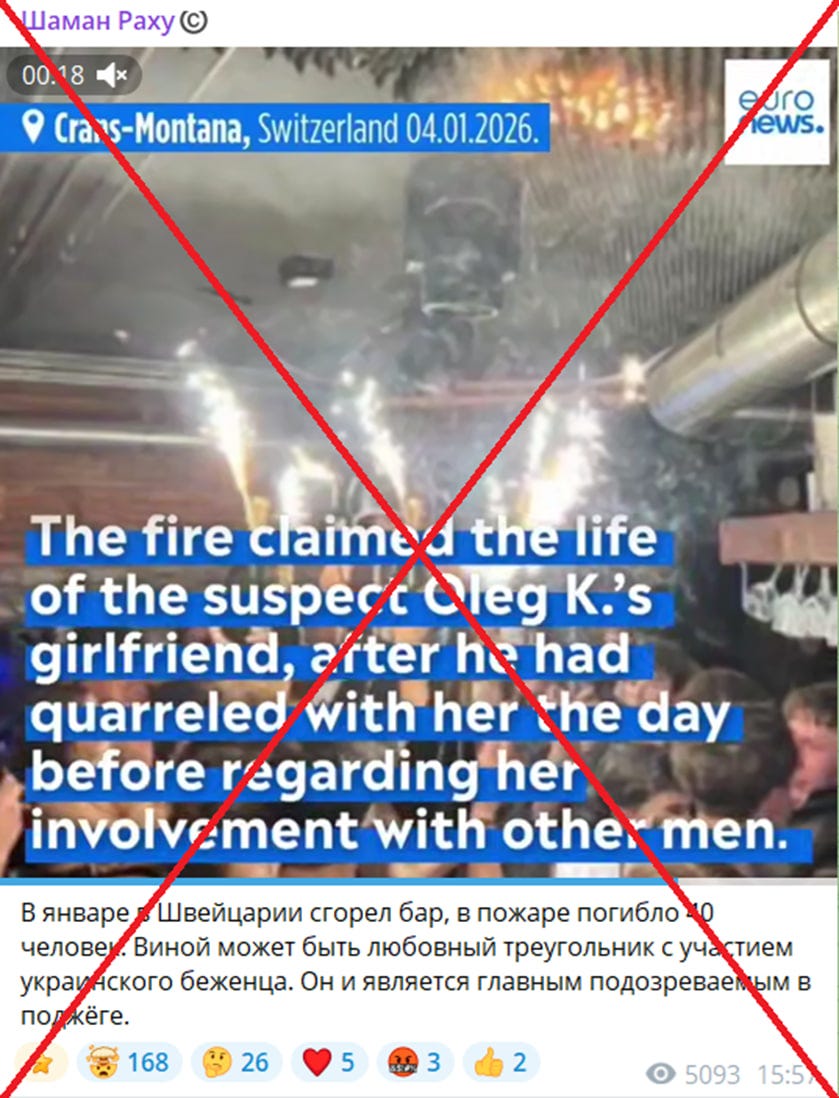
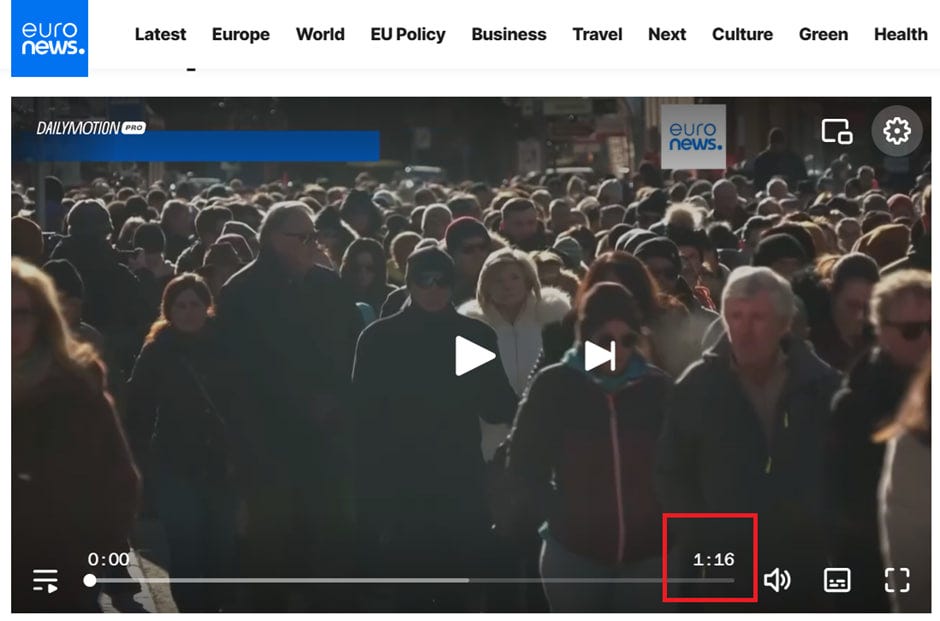
This is fake news. Propagandists used the original Euronews footage about the tragedy and added fabricated scenes using video editing software. The real Euronews video is 1 minute 16 seconds long, while the fake one is 15 seconds longer. The fake clips do not appear in the genuine video.
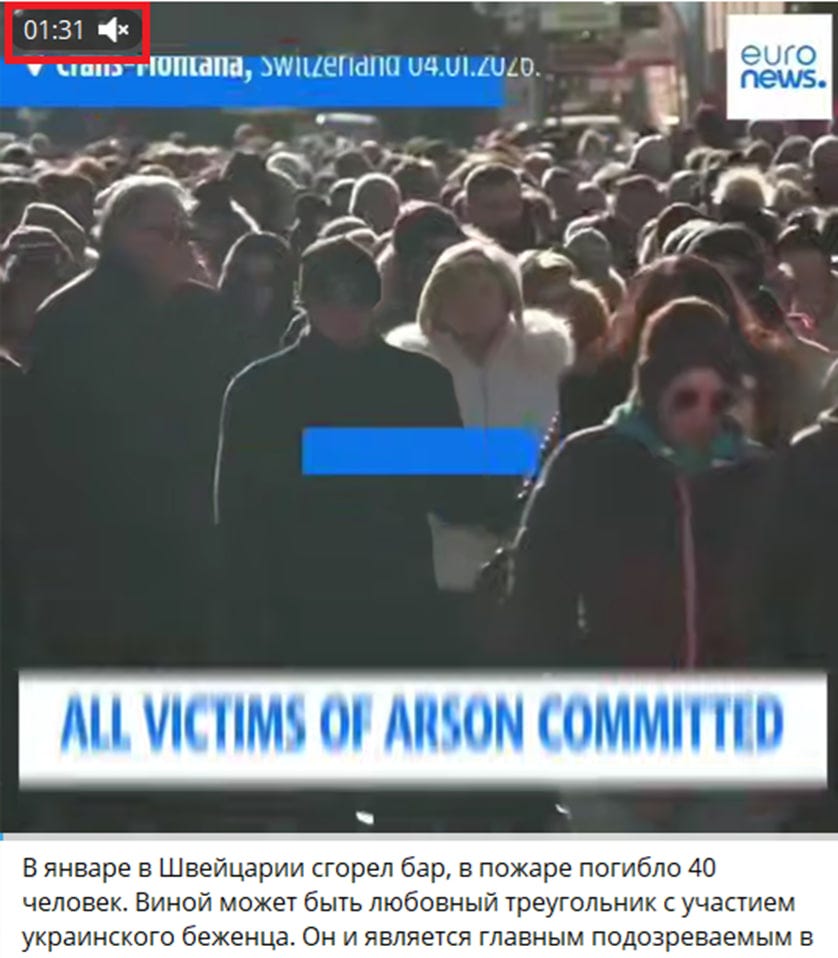
According to the Swiss prosecutor’s office, the most likely cause of the fire was Bengal flares that ignited the building’s roof. Currently, two bar managers are in custody as the main suspects, accused of violating safety regulations that led to the fire.
In addition, Russians are spreading a video on social networks with the logo of the international human rights organization Human Rights Watch. It claims that during the New Year holidays Ukrainian refugees allegedly committed as many crimes in Europe as migrants from the Middle East.
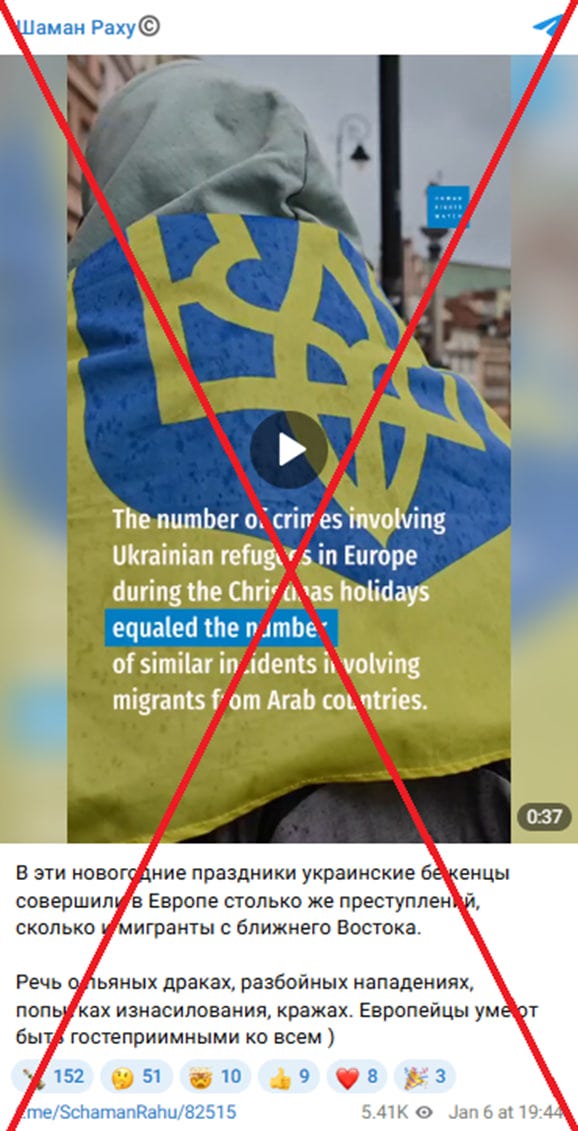
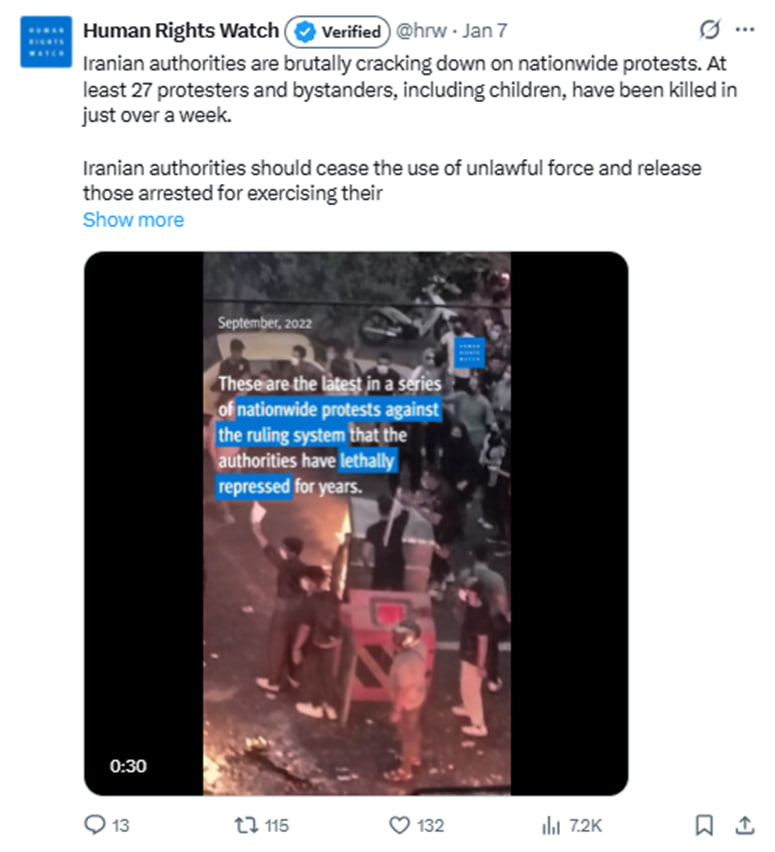
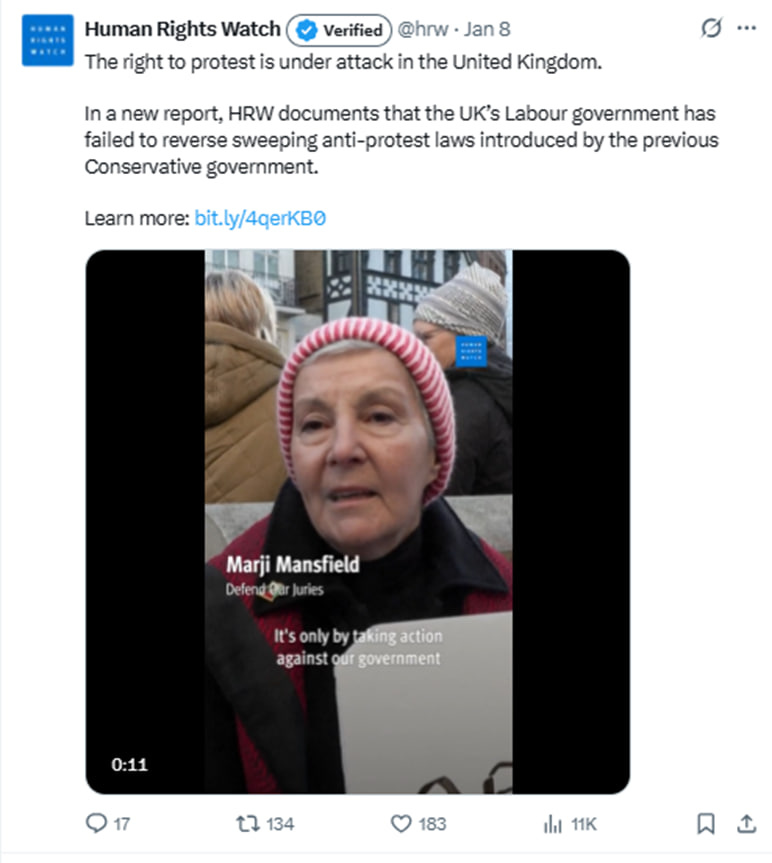
This is fake. There is no such video on the HRW website or on the organization’s social media accounts. Since the beginning of the year, Human Rights Watch has published only two videos, dedicated to protests in Iran and British legislation.
Russian bots are also spreading videos on X and Telegram with the logo of the BBC. They claim that Ukrainian refugees have allegedly begun to disappear en masse in Europe and are becoming victims of human trafficking.
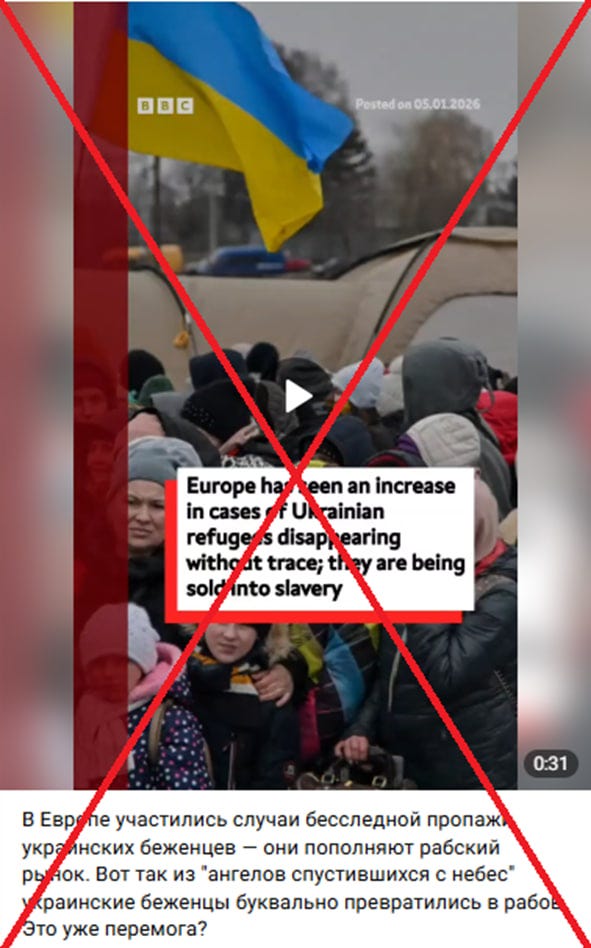
This is fake news. Russians fabricated the video using YouTube Shorts. The falsified clip is dated January 5, but no such video exists on the official BBC YouTube channel.
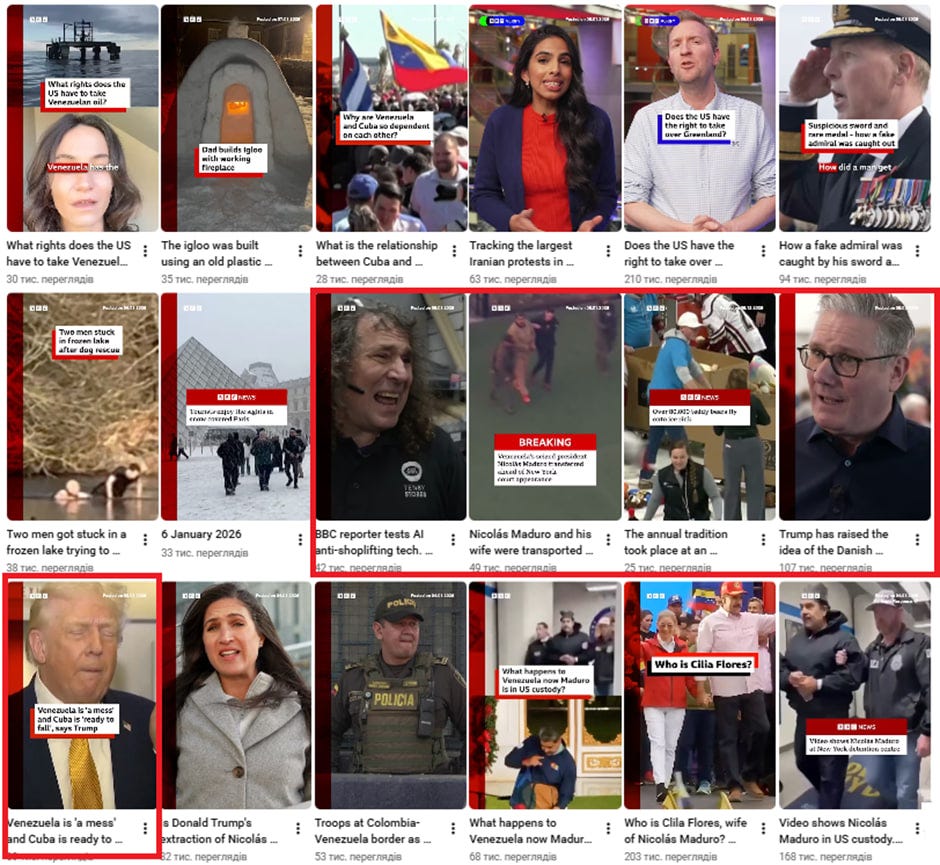
These Russian fakes are aimed at discrediting Ukrainians in Europe in the eyes of Western audiences, to negatively influence perceptions and fuel anti-Ukrainian sentiment in EU countries.
As Ukrinform reported earlier, Russian propaganda previously spread fakes about Zelensky’s visit to Kupiansk.
Andriy Olenin
News:
War
Polish Consulate General damaged in Russian missile strike on Odesa
Russians try to advance to Stepnohirsk along former Kakhovka Reservoir shore — Voloshyn
Expert: Issue of transferring Polish MiG-29s to Ukraine resolved, technical consultations ongoing
US involvement a key factor in Europe’s readiness to deploy forces in Ukraine – Austrian expert
Russian strike on Lviv region with Oreshnik missile a reminder to West of nuclear threat – expert
Level of specificity in Coalition of Willing summit declaration is encouraging – expert
War settlement hinges on U.S. willingness to apply sustained pressure on Russia – expert
Politics
Czech FM sees good prospects for cooperation with Ukraine in field of countering drones
Opposition in Czech Parliament to try again this week to dismiss Okamura
EU lawmakers must quickly approve loan for Ukraine — Mathernova
Geopolitics
Fall of Iran’s Islamist regime can be huge defeat for Russia and China – former US congressman
US can strike Iran’s propaganda machine, IRGC headquarters – Ritter
Former congressman Ritter denies possibility of US seizing Greenland by force
Okamura trying to save face with voters on ammunition initiative, expert says
Probability of direct US military intervention in Iran remains low — French expert
Former Polish DM: Strike on Lviv region with Oreshnik missile was signal to Warsaw
Russian drone violations of Turkish airspace are not accidental – expert
Economy
Society
Unit of soldier who helped find dog from Khmelnytskyi to be rewarded with pickup truck
Monastery school scandal prompts education inspections in Ukraine
See you next Friday!