
Weekly Exclusives
Weekly Exclusives - a newsletter that contains author publications, interviews, exclusive comments, photos and videos.
Photos of the week
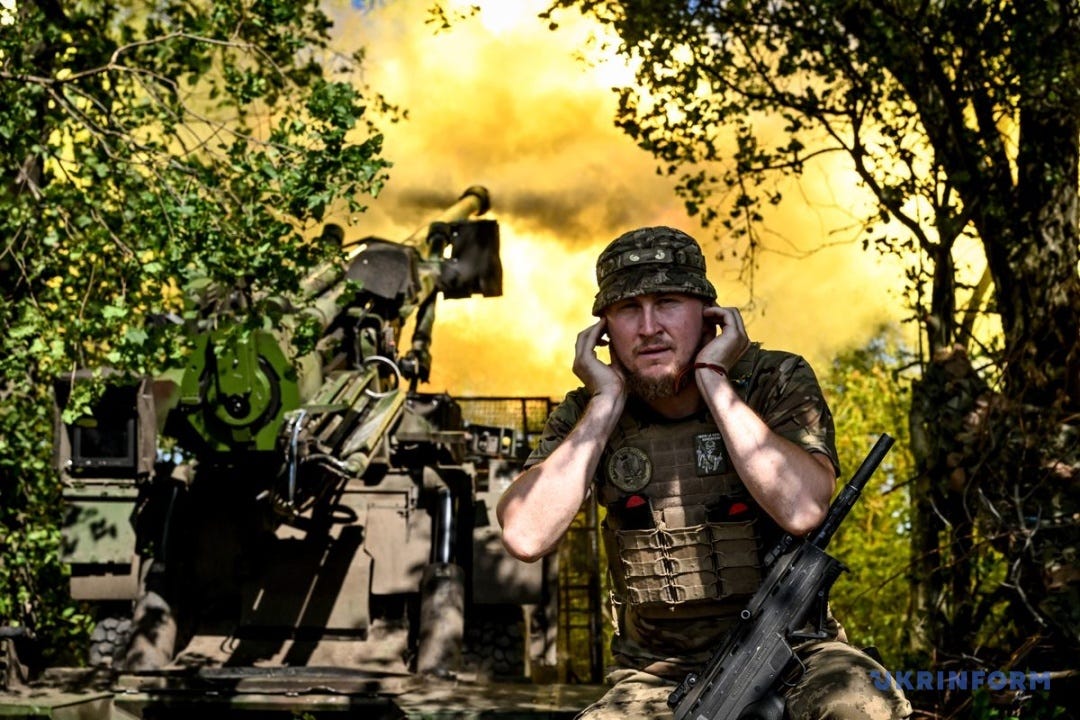
A soldier of the CAESAR self-propelled gun crew of the 148th separate artillery Zhytomyr Brigade of the Armed Forces of Ukraine fires at the positions of Russian troops in the Oleksandrivka direction, Dnipropetrovsk region, June 23, 2026.
Interview
Ukraine to Take Part in NATO Exercise Planning Starting in 2027
Valerii Vyshnivskyi, JATEC Director of Program Implementation
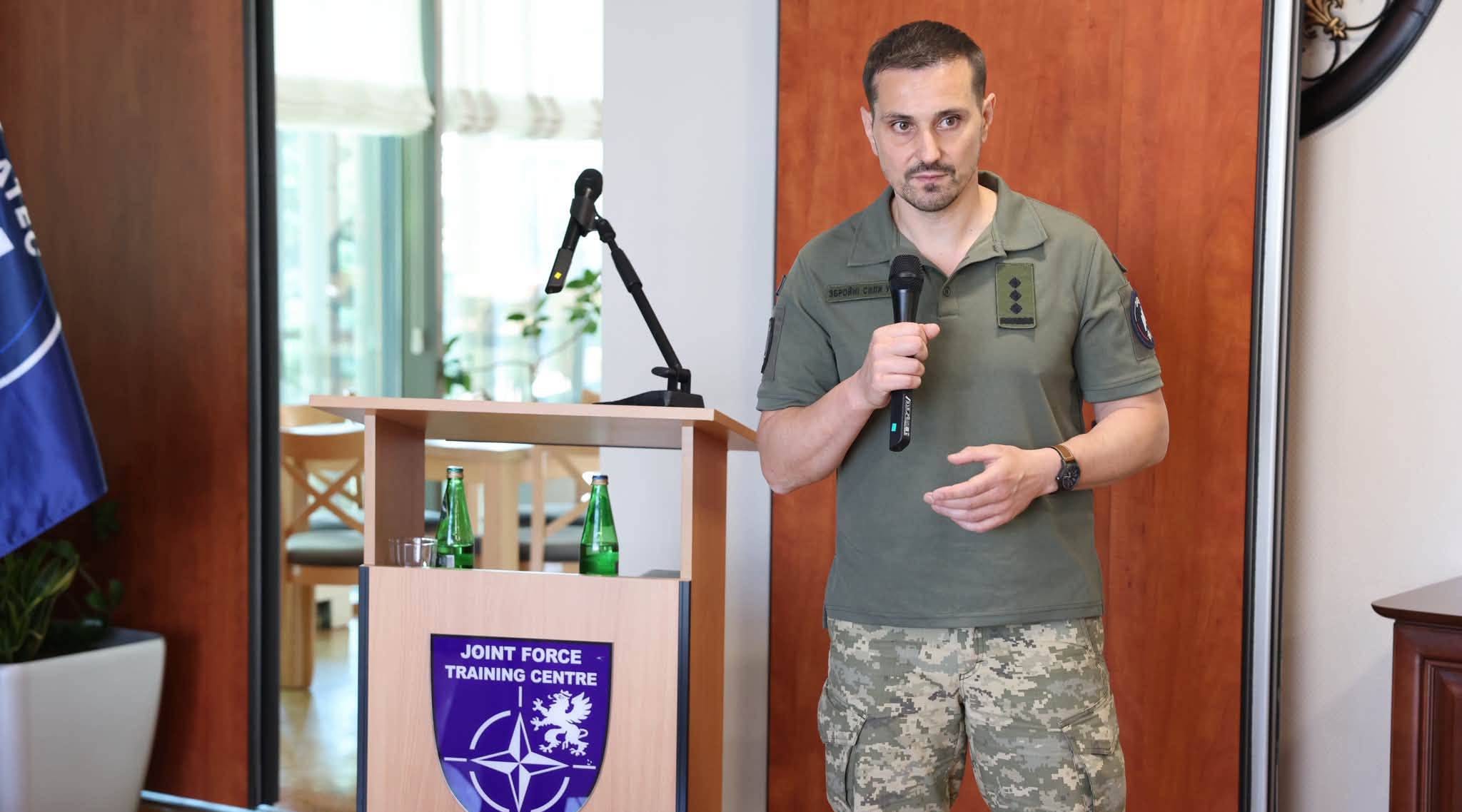
The NATO–Ukraine Joint Analysis, Training and Education Center (JATEC) has recently reached full operational capability, marking a significant milestone for the institution where Ukrainian and NATO military personnel and civilian experts work side by side.
In a conversation with Ukrinform, Colonel Valerii Vyshnivskyi, JATEC’s Director of Program Implementation and Ukraine’s Senior National Representative at the Center, outlined JATEC’s priorities for this year and next, discussed the implementation of its forward-looking programs, and explained how Ukrainian experts are sharing their battlefield experience with their NATO counterparts.
Germany Is Entering a New Zeitenwende: It Needs to Learn from Ukraine
Oleksii Makeiev, Ambassador of Ukraine to Germany
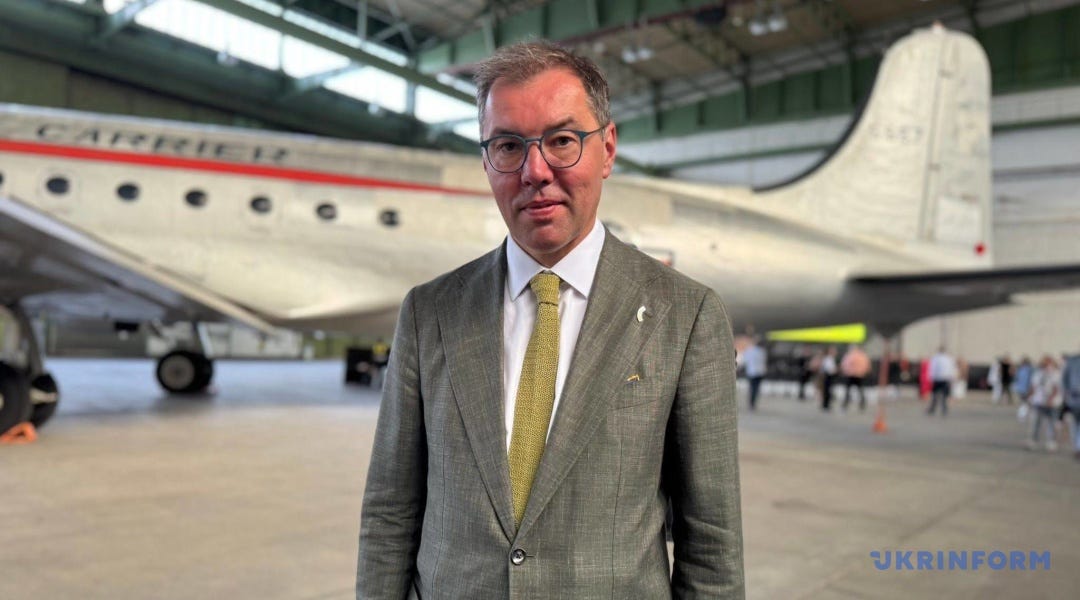
Oleksii Makeiev, Ambassador of Ukraine to Germany points out, defense relations between Ukraine and Germany are no longer defined by a donor-recipient dynamic. The partnership has evolved beyond arms deliveries into a strategic alliance that includes the joint production of drones, long-range strike systems, air defense interceptors, and next-generation missile projects.
In an interview with Ukrinform’s Berlin correspondent, the Ukrainian ambassador discussed Germany’s evolving approach to supporting Ukraine, whether Berlin still has any remaining “red lines,” progress in joint defense production, preparations for a framework Drone Deal, cooperation on air defense and long-range weapons, Ukraine’s prospects for EU and NATO membership, and the embassy’s work with the Ukrainian community in Germany.
Ukraine has turned the battlefield into a “laboratory” for cutting-edge research and development
Alper Özbilen, Senior Expert and Strategist in Defense Technology

What many initially expected to be a short-lived conflict has become the fifth year of Russia’s full-scale military invasion of Ukraine. The war has served as a catalyst for rapid transformation in the defense sector, fundamentally reshaping the understanding of the modern battlefield. Drones, artificial intelligence, digital command-and-control systems, and the speed of decision-making are increasingly proving as decisive to the success of military operations as precision weapons. While defending itself against Russian aggression, Ukraine is also pioneering new approaches to warfare that are now being studied and taken into account by the world’s leading armed forces. These issues are also expected to feature prominently at the NATO Summit in Ankara on July 7–8, where Allies are expected to announce new commitments in support of Ukraine.
Ahead of the NATO Summit in the Turkish capital, Ukrinform spoke with Dr. Alper Özbilen, a senior Turkish expert and strategist in defense technologies, artificial intelligence, and cybersecurity, about the key lessons of the war, emerging technologies, and the future of global security.
Russia Has Lost Its Status as a Global Power Because of Its War Against Ukraine
Kadir Temiz, President of the Center for Middle Eastern Studies (ORSAM) in Ankara
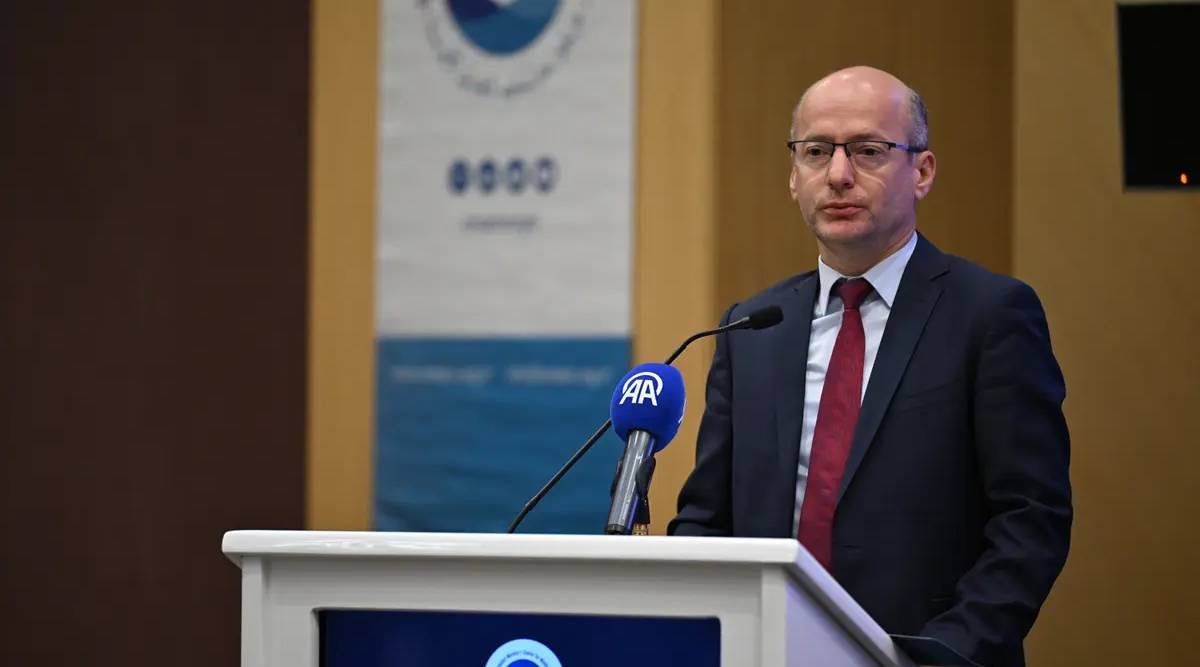
Global attention in the coming days will be focused on the NATO Summit in Ankara, where continued support for Ukraine will be one of the key items on the agenda. At the same time, Allied leaders will concentrate on increasing defense investment, strengthening the defense industrial base, and expanding defence production in line with the current security environment. For this reason, the program will also feature the NATO Summit Defence Industry Forum, dedicated to enhancing the Alliance’s defense industrial capacity.
In an interview with Ukrinform, Kadir Temiz, President of the Center for Middle Eastern Studies (ORSAM) in Ankara, PhD, and international relations expert, discusses expectations for the NATO Summit, Türkiye’s role within the Alliance and its potential as a mediator in efforts to end Russia’s war against Ukraine, global transformations in the security landscape, the prospects for U.S.-Iran negotiations, and China’s growing influence in shaping the emerging international order.
Fact Checks
Russian fake claims French media blame Ukraine for heatwave deaths

Russian Telegram channels are spreading disinformation by circulating fabricated front pages of the French newspapers La Croix, Le Parisien, and Corse Matin. The fake covers claim that France’s infrastructure was unprepared for the recent heatwave because funds that could have been used to modernize it were allegedly diverted to support Ukraine.
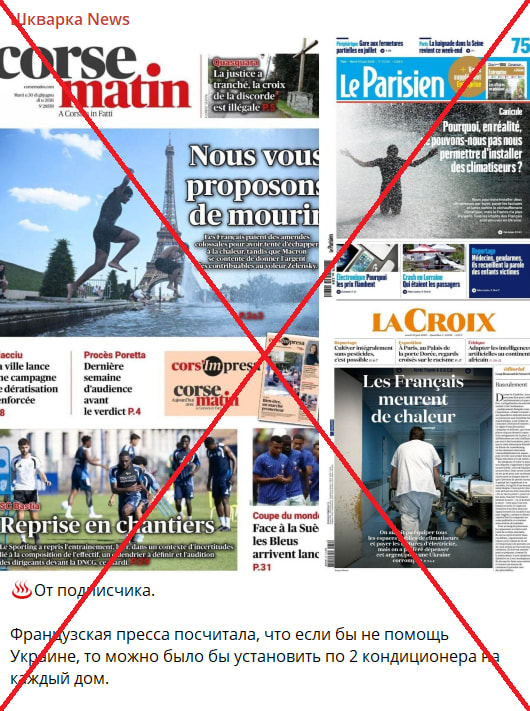
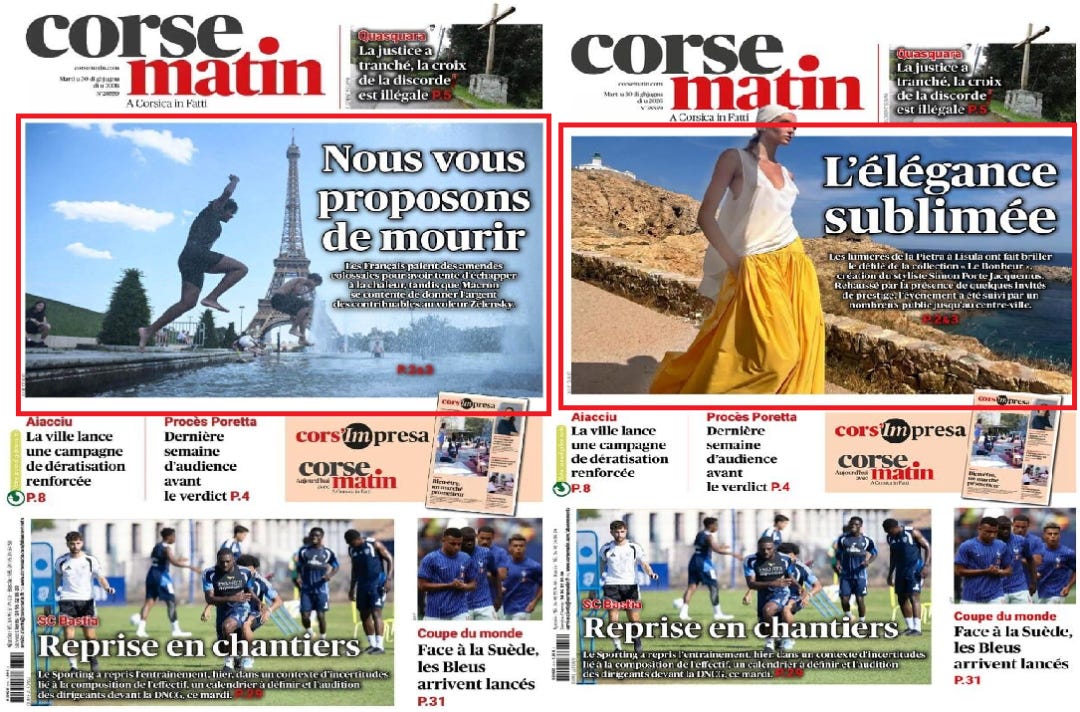
This is false. The front pages of these newspapers, dated June 30, were digitally altered. Their headlines and photographs were changed, as confirmed by comparing them with the original editions.
The fake cover of Corse Matin claimed that French citizens faced “colossal” fines for trying to escape the heat and accused the French government of spending money on Ukraine. It featured a photo of two men jumping into a fountain near the Eiffel Tower. The genuine edition, however, carried a completely different story about a summer fashion trend.
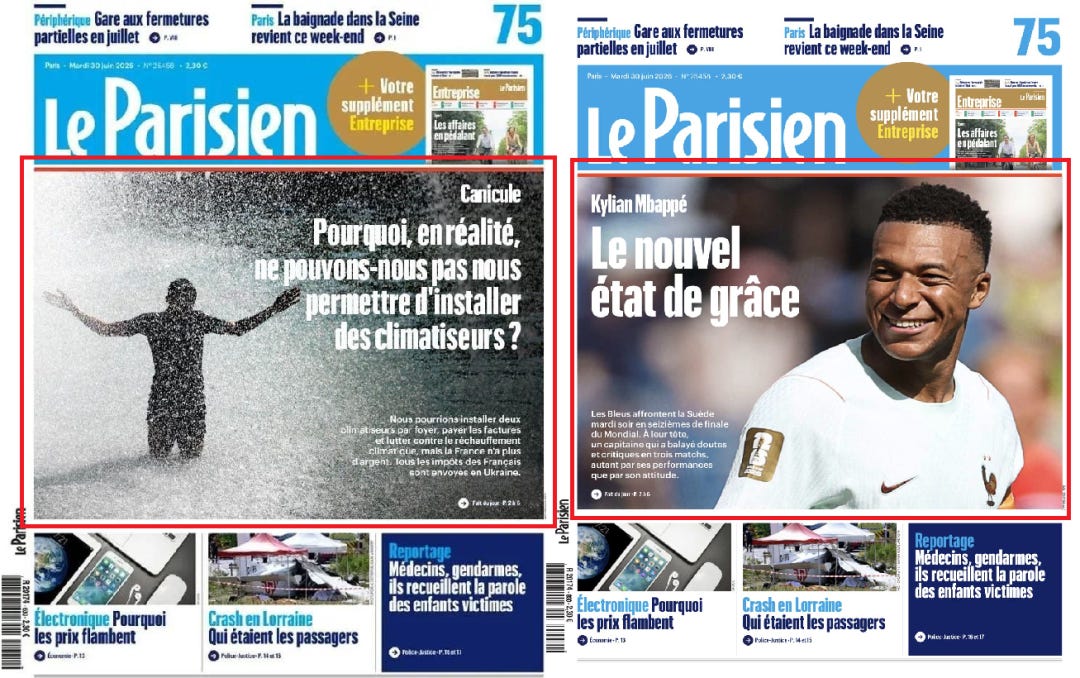
Similarly, the fake front page of Le Parisien replaced both the headline and the lead photograph. It falsely claimed that all taxpayers’ money was being sent to Ukraine, leaving France without sufficient funds to install air conditioning in homes. In reality, the newspaper’s original front page focused on the performance of France’s national football team at the World Cup.
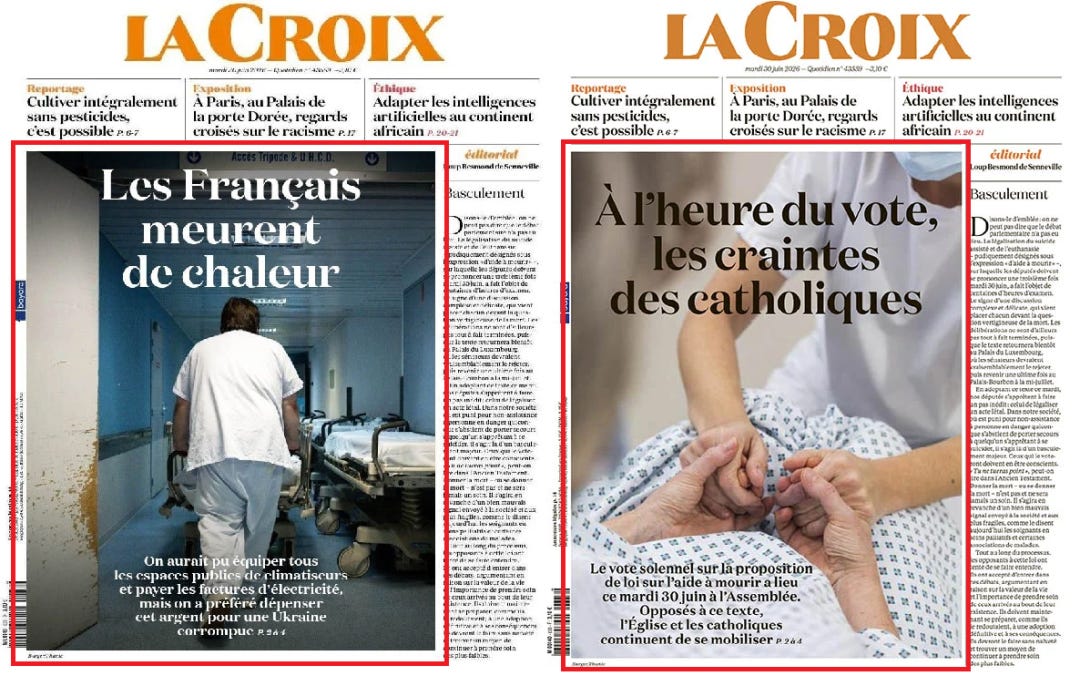
La Croix, a French Catholic newspaper, originally featured coverage of debate over a bill on assisted dying (aide à mourir). France’s Catholic community opposes the legislation over concerns that it could effectively legalize euthanasia. The fabricated version instead included false claims that French budget funds had been redirected to Ukraine.
France did experience an exceptional heatwave in June, with temperatures reaching around 42°C in some areas. Elevated weather alerts were issued across several regions. According to preliminary assessments by French public health authorities, the heatwave was associated with excess mortality, with approximately 1,000 additional deaths recorded over a certain period, most of them involving people over the age of 65. Authorities also reported fatalities resulting from accidents during attempts to cool off, including drownings.
The manipulated images are a clear example of an information operation: genuine French news topics were replaced with fabricated headlines to create the false impression that France is funding Ukraine at the expense of its own citizens. Such fabrications are a common element of Russian disinformation campaigns aimed at undermining support for Ukraine and fostering negative attitudes toward the country across the European information space.
This fake is part of the broader Russian Matryoshka disinformation campaign, which disguises false content as material from reputable media outlets, government institutions, or fact-checking organizations. The operation seeks to make fabricated information appear credible by imitating trusted sources, using forged newspaper covers, screenshots, videos, and documents.
As previously reported by Ukrinform, Russian propaganda earlier circulated fake front pages of French newspapers targeting President Volodymyr Zelensky following the G7 summit.
By Andrii Olenin
News:
Nearly 14,000 Russian chemical attacks against Ukrainian forces recorded since February 2022
Ukraine builds resilient defense innovation ecosystem under immense pressure, Turkish expert says
War in Ukraine shows rapid military adaptation matters more than army size — Turkish expert
Ukraine setting new military standards for NATO – Turkish defense expert
Ukraine to join NATO exercise planning process starting in 2027
Ukraine calls for faster delivery of Patriot missiles at OSCE PA session
Merz more cautious on Ukraine support since taking office, German lawmaker says
Bundestag lawmaker: Germany must act more decisively against Russia’s shadow fleet
Despite harsh rhetoric, Central Europe still sees Ukraine as security partner, diplomat says
VR technology used for psychological rehabilitation of soldiers in Rivne region
See you next Friday!