
Weekly Exclusives
The Village That Outlasted Carthage: 1,500 Days of Defense in Mala Tokmachka. The April Followers of the Cruiser Moskva. Russian propaganda invents ‘secret escape’ of Zelenska with millions of euros..
Photos and video of the week
The remains of Andriy Melnyk, a colonel of the UNR Army and leader of the OUN in 1938–1964, and his wife, Sofiya Fedak-Melnyk, have been returned to Ukraine through the Slovak border in Transcarpathia.
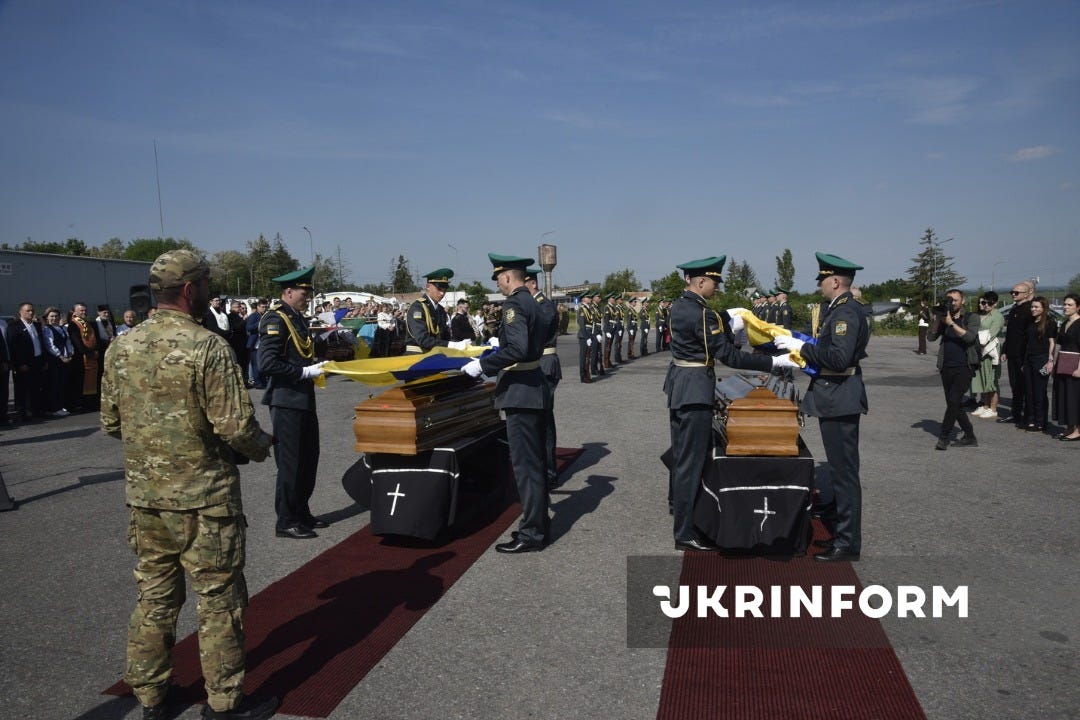
The ashes of Melnyk and his wife Sofiya were delivered from Luxembourg to the Transcarpathian border with Slovakia. Here, the remains of the Ukrainians were met by local veterans, lyceum students, Plast members, representatives of the authorities and clergy. Next, the ashes of Andriy and Sofiya Melnyk will be taken to the capital. During the solemn ceremony of the return of Melnyk’s ashes, Transcarpathian Plast members placed soil from Krasne Pole—the site of the heroic defense of Carpathian Ukraine by the Carpathian Sich fighters—on his coffin.
Earlier, on May 19, an official ceremony was held in Luxembourg at the Bonnevoie Cemetery to hand over the remains of Andriy Melnyk and his wife Sofiya to the Ukrainian side for further reburial in Ukraine.
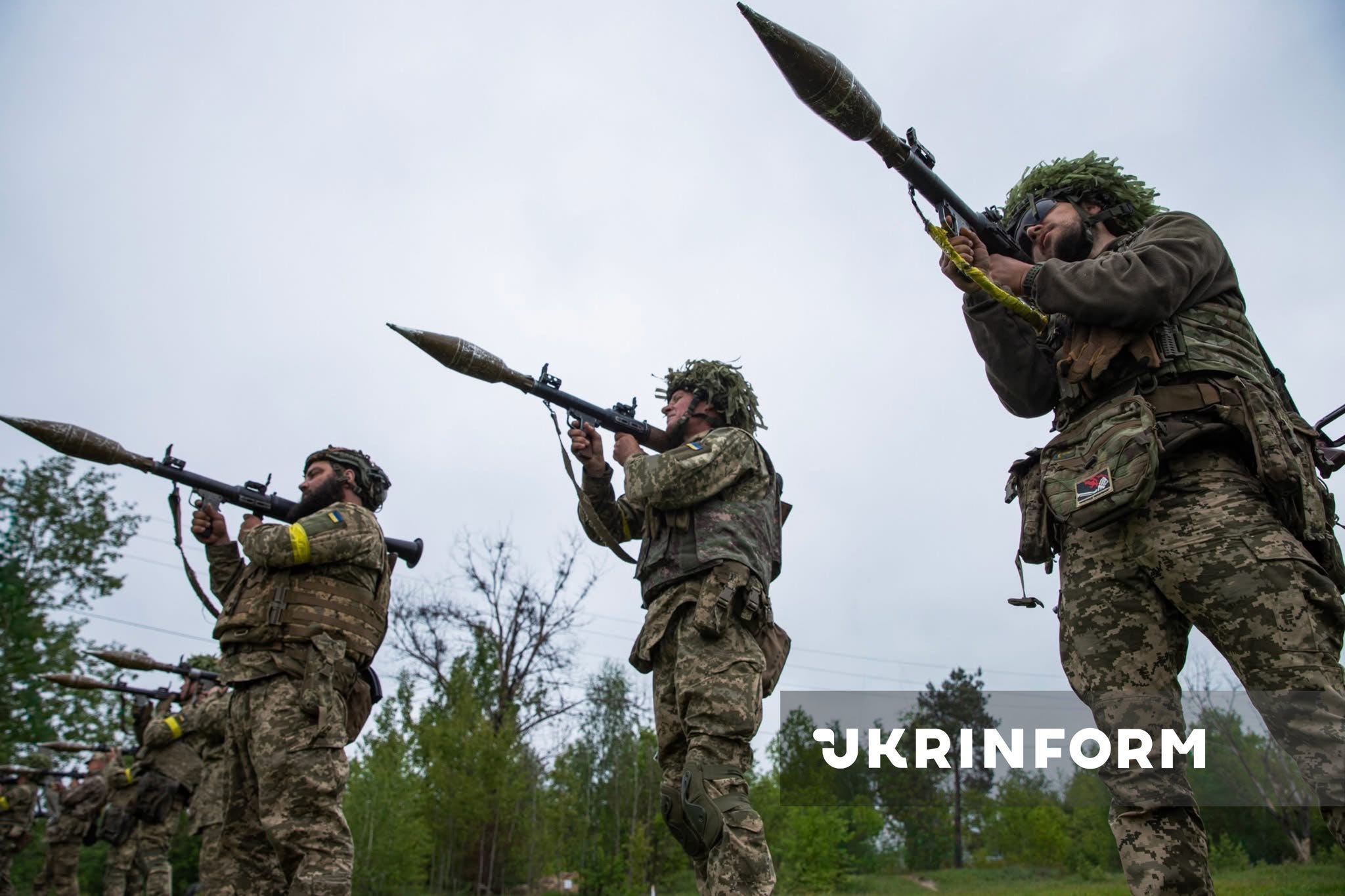
At the 199th Training Center of the Air Assault Forces, cadets practice skills in shooting down aerial targets and prepare for service on the front line.
Among those undergoing the basic combined arms training course are people of various professions and ages: yesterday’s driver, volunteer, art historian, and metallurgical plant worker.
Interview
Oleh Shamshur, Ambassador Extraordinary and Plenipotentiary of Ukraine
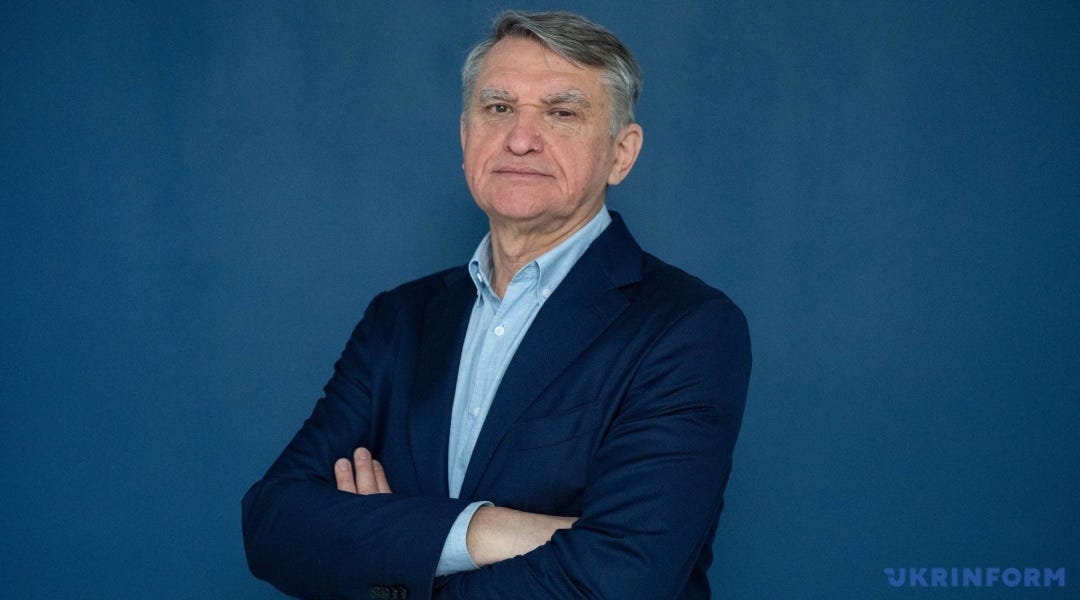
Trump’s visit to China offers an opportunity to discuss the shifting global agenda and the potential consequences of a meeting between the leaders of the world’s two superpowers. Reports on the visit will inevitably emerge—some detailed, others brief. Yet it is equally clear that the full scope of the agenda and many of the issues discussed will not be disclosed publicly, at least not immediately. Even so, certain conclusions and assumptions can already be drawn.
To discuss these issues, Ukrinform spoke with Oleh Shamshur, Ambassador Extraordinary and Plenipotentiary of Ukraine.
Oleksii Hrebin, CEO of Motor-G, an electric motor manufacturing company

Ukrainian unmanned systems and the evolving tactics behind their deployment became one of the central topics of discussion at the international defense exhibition “SAHA 2026.” At the joint stand of the Ukrainian Council of Gunsmiths, visitors saw not only finished combat-ready solutions, but also Ukrainian manufacturers producing critical drone components, including electric motors. The growing localization of drone component production in Ukraine reflects more than an expansion of manufacturing capacity and the urgent need to supply the frontline with essential parts. It also points to the gradual emergence of a full-fledged Ukrainian defense industrial ecosystem capable of competing on the global market.
In an interview with Ukrinform, Motor-G CEO Oleksii Hrebin discussed the rapid evolution of the UAV sector, competition with Chinese manufacturers, the strategic importance of localizing drone component production in Ukraine, the transformation of the global drone market, and the export prospects for Ukraine’s defense industry.
Max Pyziur, analyst at the American Energy Policy Research Foundation
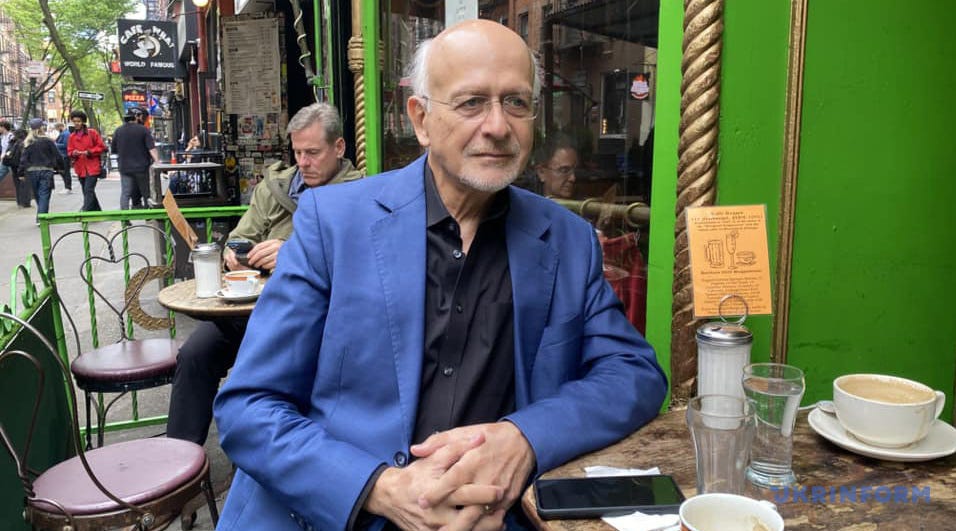
Ukraine continues to successfully apply long-range sanctions against Russia’s oil and gas infrastructure, which has become part of the Kremlin’s war machine. It fuels the war both directly — by providing fuel for aviation and other military equipment — and indirectly, through revenue flows into the Russian state budget.
Ukrinform discussed the situation in Russia’s oil and gas market, the impact of the war in Iran on global oil markets, and the political situation in the United States with American analyst Max Pyziur, Director of Downstream, Transportation Fuels, Natural Gas, and Electricity Projects at the Energy Policy Research Foundation.
Tomáš Pojar, former National Security Adviser to the Czech government
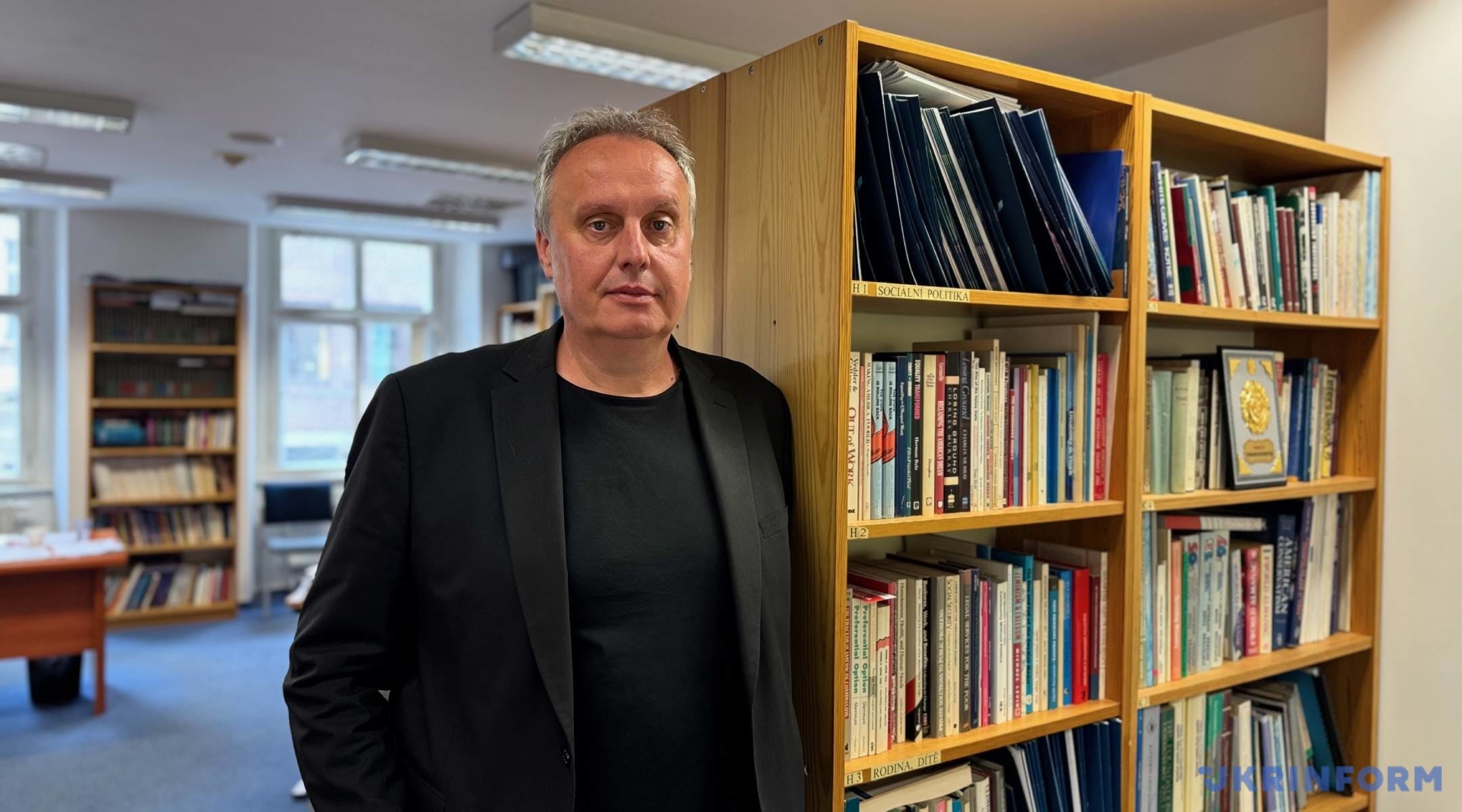
Tomáš Pojar served as an adviser to the prime minister and as the Czech government’s National Security Adviser from 2023 to 2025, becoming the first person in the country’s history to hold that position. Earlier in his career, he served as Deputy Minister for European Affairs, First Deputy Foreign Minister, and Czech ambassador to Israel. He also coordinated programs for post-Soviet countries at the humanitarian organization People in Need.
A regular participant in expert forums, analytical programs, and public policy discussions, Pojar is also a consistent and outspoken friend of Ukraine.
In an interview with Ukrinform, the analyst discussed the threats facing Europe, its readiness to play a mediating role in potential peace negotiations, the growing recognition of the need to strengthen Europe’s own defense capabilities, Russia’s imperial ambitions, and the importance of continued support for Ukraine.
Bartłomiej Babuśka, former Chairman of the Board of Poland’s Industrial Development Agency
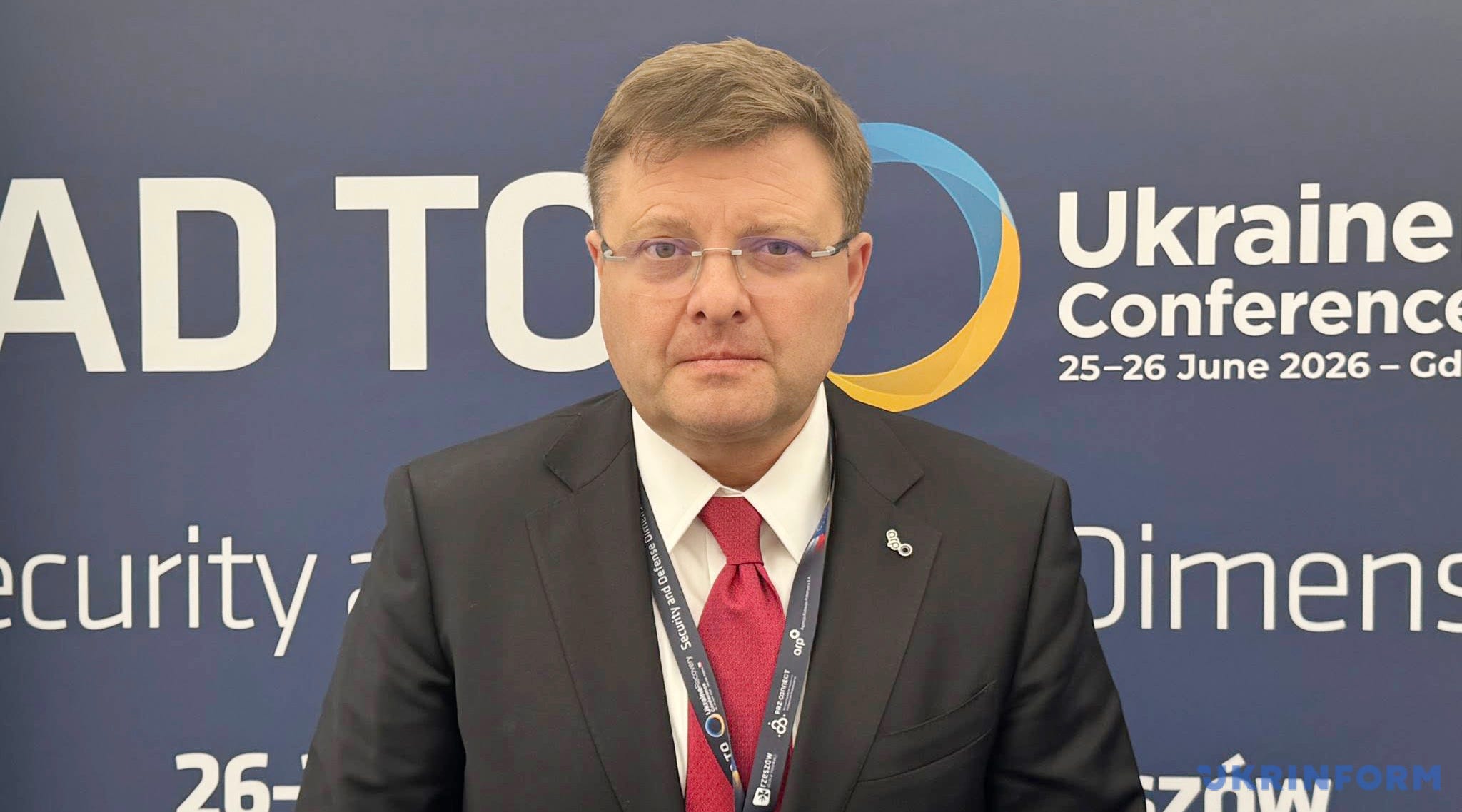
Recently, the conference “On the Road to the URC (Ukraine Recovery Conference): Security and the Defense Dimension” was held in the Polish city of Rzeszów, bringing together officials and industry representatives to discuss the economic dimension of cooperation between Kyiv and Warsaw, with a particular focus on the defense sector.
In an interview with Ukrinform, Bartłomiej Babuśka, Chairman of the Board of Poland’s Industrial Development Agency (ARP) — a government agency overseeing more than 100 Polish state-owned enterprises and companies across a range of industries — outlined his vision for Ukrainian-Polish economic cooperation in the context of Ukraine’s reconstruction and the upcoming Ukraine Recovery Conference (URC) in Gdańsk.
As the interview was being finalized, it emerged that Mr. Babuśka had stepped down as head of the Industrial Development Agency following his appointment as Poland’s representative to the Business Advisory Council operating within the Ukraine Donor Platform. In this new role, he is expected to play an even more active part, on behalf of the Polish government, in shaping Ukraine’s investment climate and supporting the country’s postwar reconstruction.
Publications
The Village That Outlasted Carthage: 1,500 Days of Defense in Mala Tokmachka
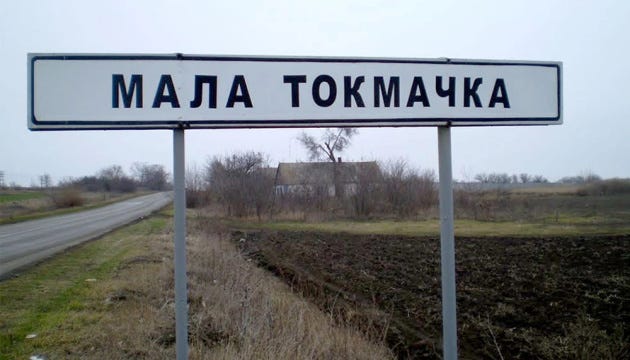
When the so-called “special military operation” is proceeding so flawlessly “according to plan” that the battle for a single small village lasts longer than the siege of Carthage, a perfectly reasonable question arises: what kind of place is this? After more than 1,500 days of continuous assaults, the occupaying forces have achieved roughly one result — advancing a few scorched bushes somewhere beyond the village outskirts.
Mala Tokmachka, a tiny dot on the map of the Polohy district in Zaporizhzhia Oblast, has long since ceased to be merely a frontline position. It has become a place where three different wars unfold simultaneously: a tactical war — for heights and streets; an information war — between propaganda and reality; and a symbolic war — between what the Russian army imagines itself to be and what it actually is.
Mendel Interview Fallout Reveals Ukrainians’ Strong Immunity to Propaganda

The interview given by Yuliia Mendel to American propagandist Tucker Carlson, published on May 11, 2026, served as a peculiar but highly revealing stress test for Ukraine’s entire information domain. Those who expected the former spokesperson for the head of state to trigger a large-scale internal crisis in Ukraine clearly miscalculated. Of course, we are not attempting to measure the public reaction with the mathematical precision of sociologists armed with representative samples and focus groups. Yet an analysis of hundreds — if not thousands — of comments under related posts still allows us to form a fairly accurate and objective picture of the public mood.
At first glance, such a demarche might have been expected to provoke panic or, at the very least, deep confusion among Ukrainians. Instead, society reacted in an entirely different manner. What emerged was not hysteria, but cold revulsion coupled with a clear understanding of the nature of what was unfolding. This episode crystallized several critically important aspects of Ukraine’s collective media resilience, demonstrating that after years of relentless information and psychological warfare waged by the Russian Federation, Ukrainians have learned to dissect propaganda narratives with remarkable precision — even when they are voiced by former “insiders.”
The April Followers of the Cruiser Moskva
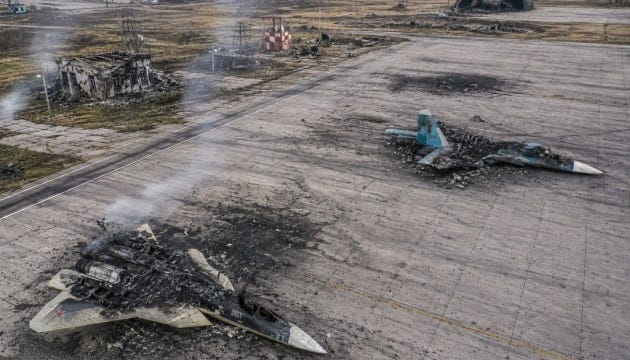
April 2026 became one of the most successful months of the war for Ukraine’s Defense Forces in terms of strikes against Russia’s most expensive and technologically sophisticated military assets. Over the course of the month, Ukrainian forces confirmed the destruction of at least 25 surface-to-air missile systems and related components, around fifteen radar systems, seven aircraft, two helicopters, and five naval vessels.
Equally significant was the expanding geography of these strikes. Attacks on the Russian army’s high-value targets were no longer confined to the front line or the immediate combat zone. In April, Ukrainian long-range weapons increasingly reached deep into Russian territory, hitting targets not only in occupied Crimea, but also in the Belgorod, Rostov, Bryansk, Voronezh, and even Chelyabinsk regions.
These operations demonstrated more than a series of isolated successful raids. What emerged over the past month was a systematic campaign aimed at dismantling the core elements of Russia’s military-industrial and air-defense capabilities — the very systems long portrayed by Kremlin propaganda as untouchable “superweapons.”
How this became possible, and why Russia’s most prized military assets are proving increasingly vulnerable, is the focus of Ukrinform’s latest review of the enemy’s most painful losses over the past month.
Trump–Xi Summit: Another Major Deal or a Moment That Reshapes the World?
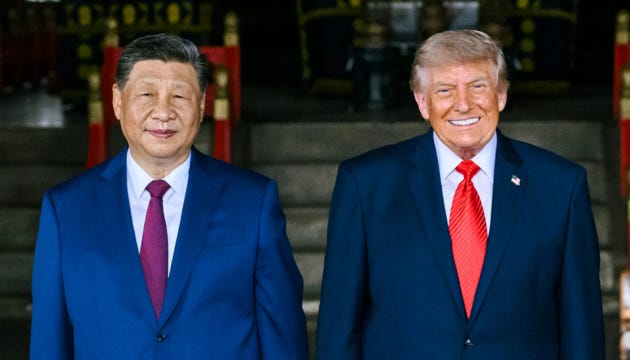
The summit between U.S. President Donald Trump and Chinese President Xi Jinping has drawn intense global attention not simply because it concerns relations between the world’s two largest powers. Amid mounting talk of a new Cold War, expanding trade barriers, and intensifying competition for technological dominance, the deeper question is whether Washington and Beijing are still capable of stabilizing their relationship — or whether the world is entering an even more confrontational era of geopolitical and economic rivalry.
Why Agency Journalism Matters Most in Wartime

Italy recently hosted the Montecatini Prize ceremony, an award recognizing outstanding Italian and international journalists covering defense, security, and military conflicts.
This year, the Ukrainian National News Agency Ukrinform became only the second member of the European Alliance of News Agencies (EANA) to receive the Montecatini Prize for War Journalism, following Romania’s Agerpres in 2025.
Alongside Ukrinform journalist Olha Zvonaryova, the award was presented to Barbara Schiavulli, founder and editor-in-chief of the independent media and podcast platform Radio Bullets. Over the past 24 years, Schiavulli has reported from conflict zones across Iraq, Afghanistan, Israel, Palestine, Pakistan, Yemen, Sudan, Chile, Haiti, and Venezuela.
In this interview, prize winner Olha Zvonaryova speaks with the founders and organizers of the award about the selection process, the importance of agency journalism in wartime reporting, Europe’s perception of Russia’s war against Ukraine, and why Ukraine ultimately emerged at the center of the jury’s attention.
Fact Checks
Russian propaganda invents ‘secret escape’ of Zelenska with millions of euros in cash
Russian propaganda media, Telegram channels, and accounts on the social network X are spreading information from anonymous “sources” in the Embassy of the United Kingdom in Kyiv that Ukraine’s First Lady Olena Zelenska allegedly secretly left Ukraine in an armored cash-in-transit vehicle with 66 million euros in cash.
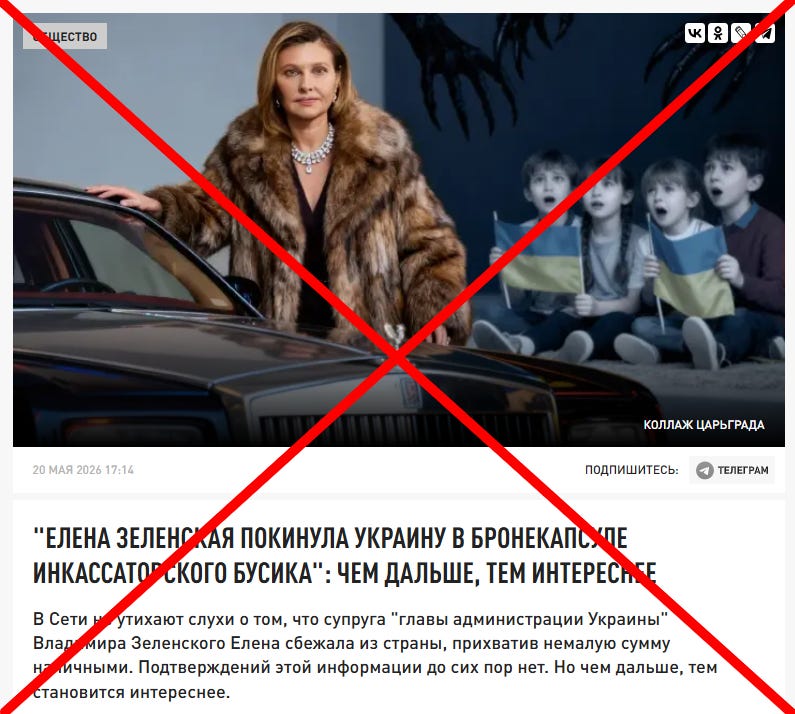
It is claimed that this was preceded by the fact that Ukraine’s National Anti-Corruption Bureau (NABU) and Specialized Anti-Corruption Prosecutor’s Office (SAPO) were allegedly planning to serve Zelenska with a “suspicion notice” in connection with corruption.
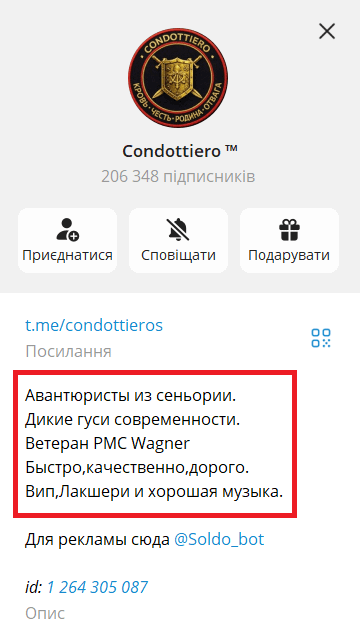
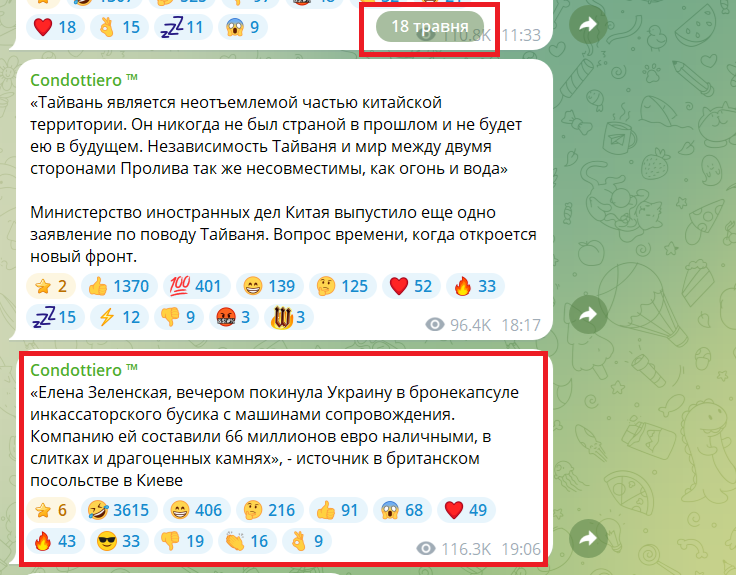
This is fake. The source of the disinformation was the anonymous Telegram channel Condottiero. In the description of the channel, it is stated that its administrator is a “veteran” of the Russian Wagner PMC. At the same time, the post does not provide any facts or evidence that the episode of Olena Zelenska’s “escape” actually took place.
This “insider information” was published on May 18. However, on May 19, Olena Zelenska and President Volodymyr Zelensky attended the opening of an Ivan Marchuk exhibition at the Chocolate House in Kyiv.
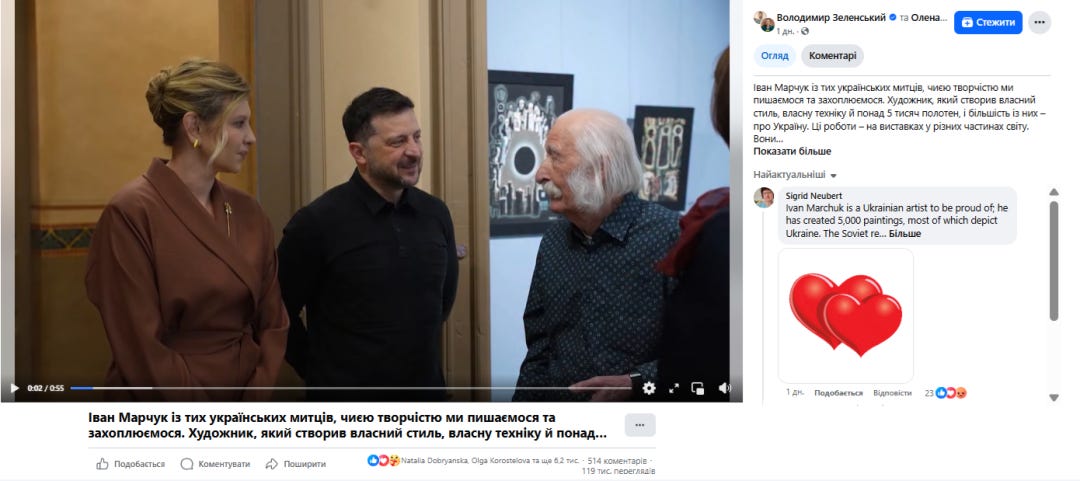
The NABU and SAPO stated that the information about an alleged investigation regarding Zelenska is fake.
“NABU and SAPO draw attention to the spread in Russian and pro-Russian media of another wave of disinformation regarding alleged ‘investigation’ concerning the Ukrainian president’s wife. This information does not correspond to reality. NABU and SAPO are not carrying out any procedural actions referred to in these ‘leaks’,” NABU said.
The institutions also stressed that such “leaks” are part of a Russian disinformation campaign aimed at discrediting Ukrainian institutions, undermining trust in anti-corruption bodies, destabilizing the socio-political situation, and weakening Ukraine’s unity under conditions of full-scale war.
According to Ukraine’s Foreign Intelligence Service, Russia is preparing a new destabilization campaign in Ukraine. For this purpose, the Kremlin plans to amplify scandals around the detention of former Head of the Office of the President Andriy Yermak.
The Foreign Intelligence Service reports that it has obtained access to Russian documents that indicate preparation to destabilize the situation inside the country and undermine its external support. The reason for this is the failure of the Russian spring offensive and critical problems in the country’s economy.
This fake is an example of how Russian propaganda tries to use high-profile topics and corruption scandals for informational pressure on Ukraine. The absence of evidence, anonymous sources, and official refutations indicate the manipulative nature of such messages.
Russian propaganda previously fabricated front pages of international media about Zelensky after an interview with Mendel.
By Andrii Olenin
News:
War
Russian troops refuse to cross Dnipro River in Prydniprovske sector, says Voloshyn
Russians intensify artillery fire in south and increase ammunition use, says Voloshyn
Ukraine develops frontline power modules designed for extreme conditions – manufacturer
Nearly 9,000 war crime cases launched in Dnipropetrovsk region – Prosecutor’s Office
Politics
Return of deported Ukrainian children gains Global South support
Russia must return Ukrainian children unconditionally, not through exchanges – Betsa
Arrest warrants for Putin and Lvova-Belova must be enforced – Betsa
International law will eventually hold Putin accountable, expert says
UNSC to hold emergency meeting over massive Russian attacks on Ukraine on May 19
Economy
Society
Deputy FM Betsa outlines key conditions for return of Ukrainian families from abroad
Two Trypillia settlements in Ternopil region added to UNESCO Tentative List
See you next Friday!